
Baltic Airline Files for Bankruptcy Amid Rising Fuel Costs
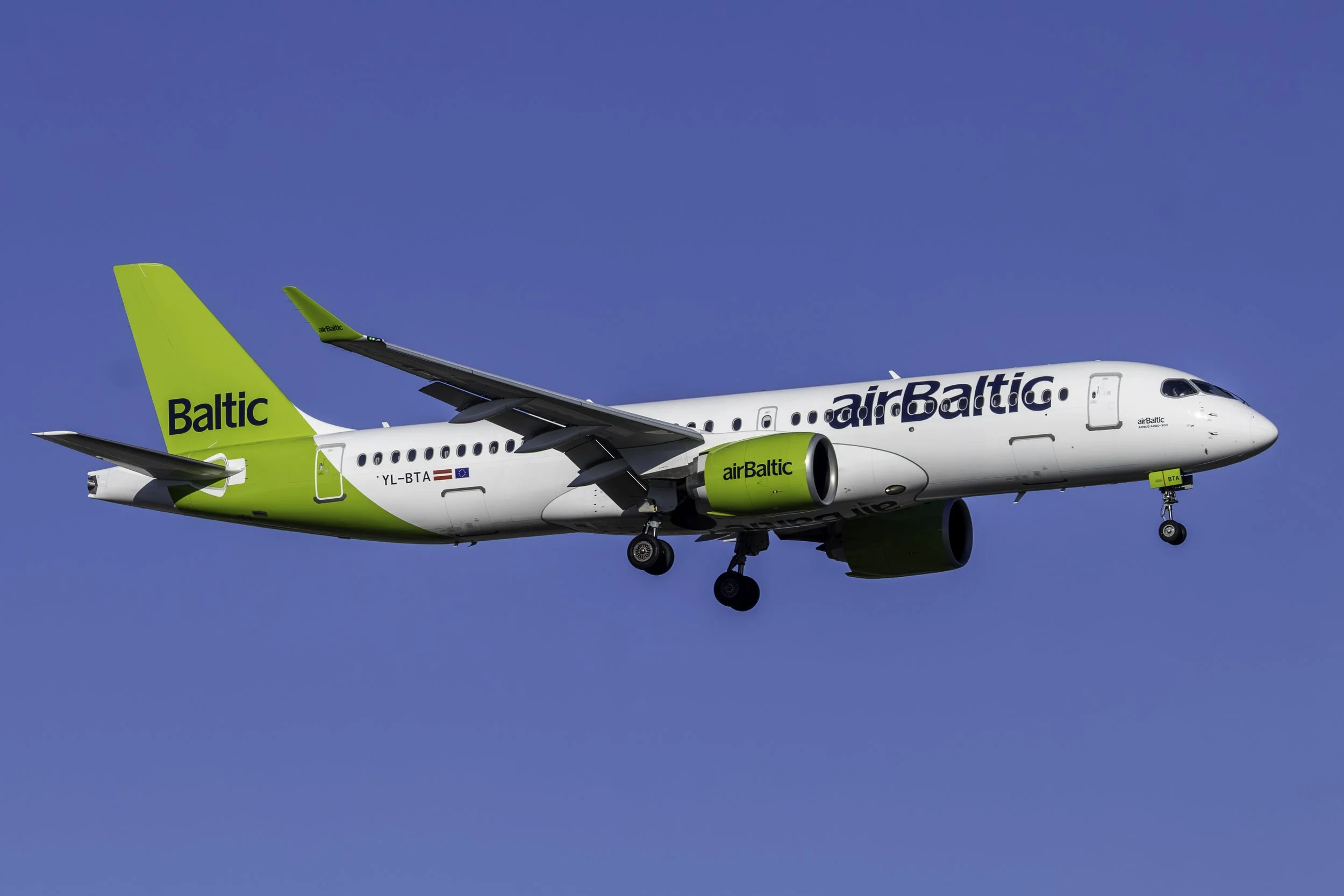
Rising fuel prices have devastated smaller airlines like airBaltic (Bene Riobó).

On September 14, Latvian airline airBaltic announced it filed for Chapter 11 bankruptcy due to high fuel costs, following an agreement between its bondholders to allocate over 250 million euros for interim financing. AirBaltic connects Latvia to more than 70 destinations, fostering connections within and outside the Baltic countries. With the Latvian government holding an 88 percent stake in the airline, its uncertain future may heavily impact the country’s economy.
Fuel prices have risen significantly since the start of the Iran war; experts estimate gas costs to average 152 USD per barrel across 2026, up significantly from 90 USD in 2025. AirBaltic was not the first airline to suffer from high prices —aviation companies worldwide struggled with financial burdens, with Spirit Airlines announcing bankruptcy in May after championing lower-cost flights for passengers. Other smaller airlines could follow—airlines like Magnicharters, Vietnam Airlines, AirAsia, and Scandinavian Airlines have already cited financial issues. On Sep. 16, larger companies American Airlines, United Airlines, and Southwest Airlines announced that they were shutting down several flights to maximize revenue. Such cancellations affect ticket affordability, as companies often cut cheaper flights instead of expensive ones.
Though airBaltic and other airlines’ futures remain uncertain, declaring bankruptcy provides a window of hope. Through Chapter 11, airBaltic could continue to operate and restructure its debt under judicial supervision. On Sep. 16, the U.S. Bankruptcy Court for the Southern District of New York approved airBaltic’s access to an initial 162 million dollars of a 405 million-dollar financing package provided by lenders including Strategic Value Partner, Barclays, and Morgan Stanley.
Meanwhile, companies like Ryanair are using the opportunity to increase their operations in the Baltic. Ryanair will implement a five-year, 1.6 billion-dollar investment plan to add nine more aircraft based in the region, more than doubling the company’s current Baltic traffic. The airline’s expansion contrasts with airBaltic’s decision to decrease its fleet from 54 to 36 planes.
In general, European airlines are struggling to confront financial difficulties linked to the Iran War’s impact on fuel prices: the trade association Airlines for Europe saw the E.U. in May 2026 to address its struggle to compete with global airlines amid high fuel and regulatory costs. Notably, Western and Central European airlines see more profit on average as opposed to Eastern European ones. LOT Polish Airlines, the only Eastern European carrier among Europe’s 20 largest airlines in 2024, ranked twentieth. Consequently, airBaltic’s economic struggles could indicate a mounting trend of Eastern European airlines’ inability to compete with Western European profits, paving the way for greater dominance in the industry.
Though airBaltic continues operating, the wider airline industry may face more pressure. With President Trump considering a ban on diesel exports, airline executives warn of the exacerbation of already high prices. This poses a threat to the future of smaller airlines, potentially skewing the airline industry toward large carriers.