
Bolivia Cuts Diesel Subsidies Following IMF Deal
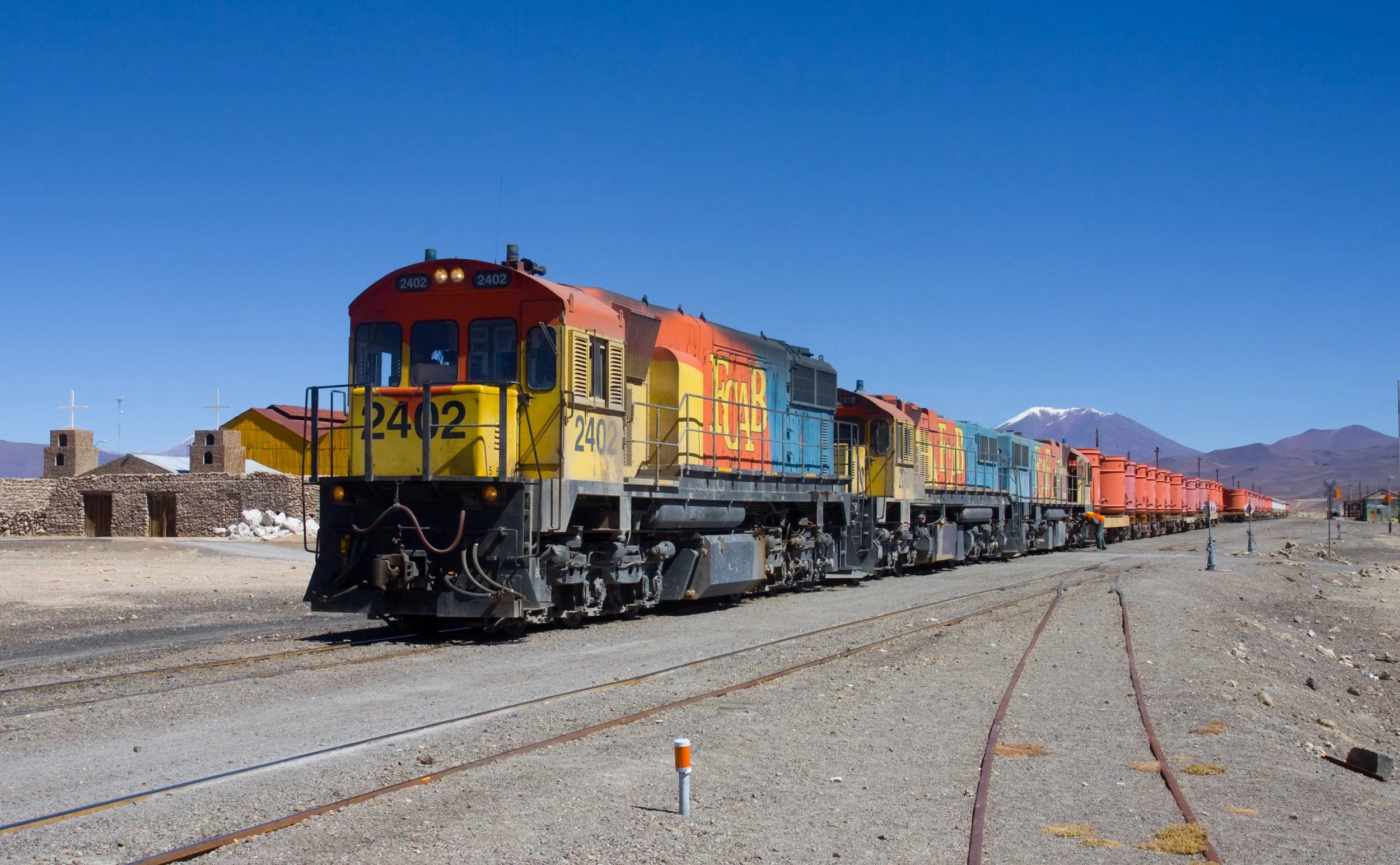
Bolivia’s subsidy cuts have faced mass backlash, especially from the transport industry (David Gubler).

Bolivia approved an International Monetary Fund (IMF) deal that includes the discontinuation of diesel subsidies on September 19, AP News reports. The deal is part of an attempt by President Rodrigo Paz’s government to alleviate the country’s worsening fuel shortages and economic struggles. It has since faced significant pushback, particularly from Bolivian transport industries.
The decision to end the subsidy comes after years of chronic fuel shortages that began in 2023 and have persisted since then. Bolivia imports approximately 90 percent of its diesel fuel, with the government spending roughly $55 million a week on subsidies prior to this deal, according to Reuters. According to the Latin Times, Bolivia’s annual fuel bill has increased fourfold in four years, rising from $627 million to $2.4 billion. This has heightened financial pressure on authorities to supply the country with cheap fuel imported at higher international prices.
Bolivians will now pay the international cost of diesel under the implementation of Decreto Supremo 5716, which officially put an end to government fuel subsidies. Prices rose by about 83 percent, from Bs 9.80 to Bs 17.95 a liter, per the Latin Times. The decree came in tandem with Bolivia’s Congress approving the IMF’s $1.9 billion financing package. President Paz defends the decision to end subsidies by arguing the old pricing mostly benefited smugglers who sold the subsidized fuel on the black market to foreign buyers. He has also pledged to give out about $79 million in cash transfers to 2.9 million Bolivians and preferential loans for local truckers and small businesses to lessen the impact of rising prices, according to AP News.
Nevertheless, the IMF deal and Decreto Supremo have been met with significant pushback. Leaders of the interdepartmental passenger transport federation left negotiations with four government ministries without reaching an agreement. The transport union has launched 24-hour strikes that could stretch on for days. Transporters have also announced plans to blockade highway routes in the Santa Cruz Valleys. Other unions, including Fedetrans, the November 16 Federation, and the departmental group, were able to make a deal with officials to keep working, reports the Latin Times.
The disputed policy shift reflects a broader challenge facing Paz’s government. While ending the subsidies could reduce the financial burden of providing imported fuel at low costs, the change also moves the cost of diesel onto consumers and businesses. With fuel prices rising and transportation groups protesting, the government now faces pressure to address both Bolivia’s financial difficulties and the public backlash.