
Britain Pushes for Inclusion in EU’s “Made in Europe” Policy
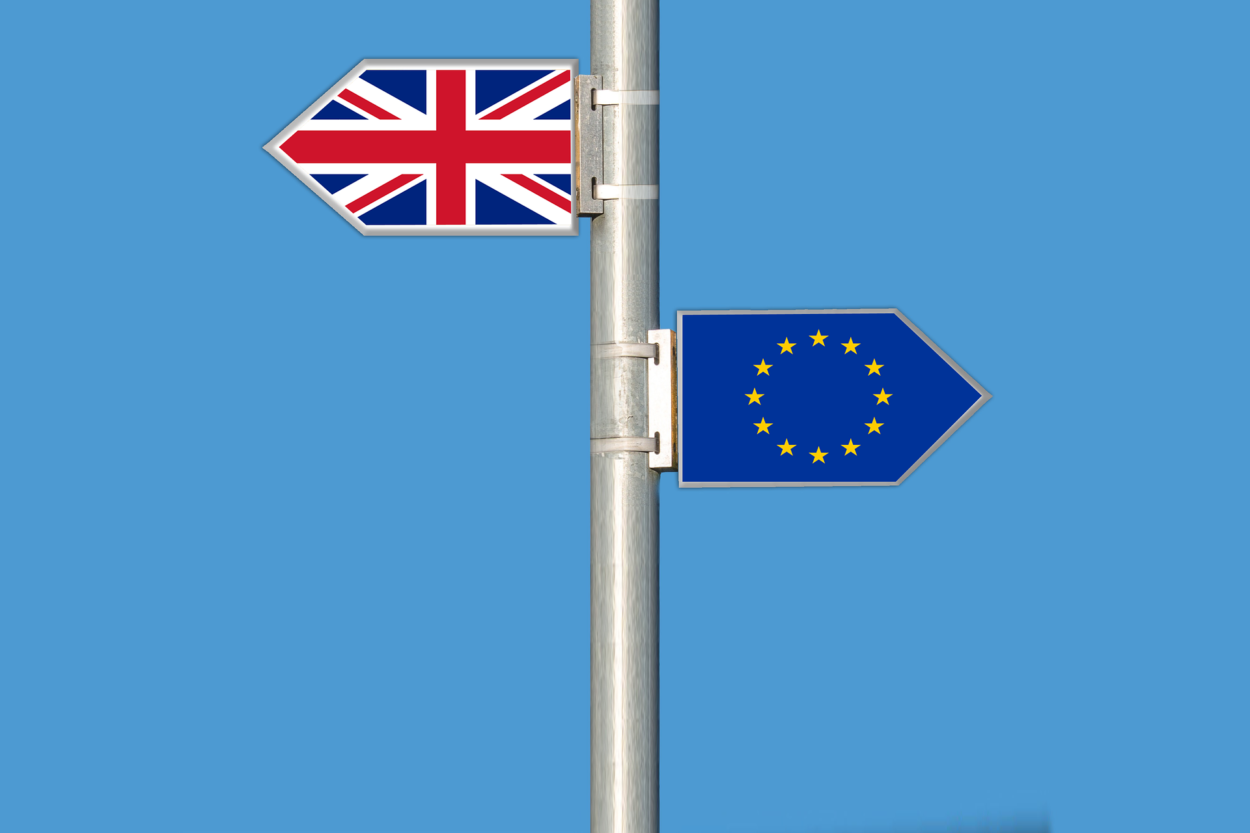
Flags of the EU and the UK (Elionas).

Britain is urging the European Union to include UK companies in its planned “Made in Europe” policy, seeking to protect British manufacturers from potential trade barriers. Finance Minister John Healey raised this issue with European counterparts at an informal Economic and Financial Affairs Council (ECOFIN) meeting in Dublin on September 18. The proposed policy is designed to support EU production and strengthen European manufacturing against global competitors, particularly China.
The UK’s concern stems from its post-Brexit relationship with the European Union. Britain formally left the bloc in 2020 and, after a transition period, left the EU single market and customs union. Despite this, the EU remains Britain’s biggest trading partner, and in 2025, 41 percent of UK exports made their way to EU markets.
One of the most exposed sectors is the British automotive industry. Over 50 percent of cars exported from Britain are sold in EU markets, underscoring how deeply UK manufacturers are integrated into European supply chains. Under the proposed rules, financial incentives and contracts could favor vehicles and components manufactured within the EU. If British-made products do not qualify, UK firms could become less competitive. This helps explain why London and the European Automobile Manufacturers Association are pushing Brussels to provide “justified” exemptions to the planned rules.
From Brussels’ perspective, the planned policy began its development intending to enhance European industrial capacity rather than creating new barriers against Britain. “Made in Europe” is not just about where a company is headquartered, but where the actual production occurs. The proposed EU-based manufacturing requirements are intended for Europe to become less dependent on outside suppliers, preserve jobs, and attract investment. Extending the same preferences to production outside the bloc could reduce the incentive for companies to manufacture within the EU.
In 2025, the UK tried to join the EU's Security Action for Europe (SAFE) defense-loan program, designed to help member states finance together defense purchases and strengthen European defense production. London and Brussels could not agree on costs and conditions of British participation, resulting in talks breaking down and Britain not joining the program’s first round. Healey brought this up in Dublin on September 18, arguing that the countries should “learn lessons” from that failed negotiation and avoid a similar breakdown.
Britain’s push for inclusion in “Made in Europe” reflects a broader post-Brexit challenge. It reveals that the U.K. continues to seek access to certain EU initiatives because its economy remains closely connected to European markets and supply chains. However, as a non-member, London needs to negotiate separately with the EU to gain access to these initiatives. The outcome of “Made in Europe” could shape how closely Britain remains connected to future EU industrial policy. More broadly, Britain’s request raises the question of how much access the EU should grant non-member countries to programs designed primarily to benefit the bloc.