
Sea Collision Escalates Hostility Between India and Pakistan
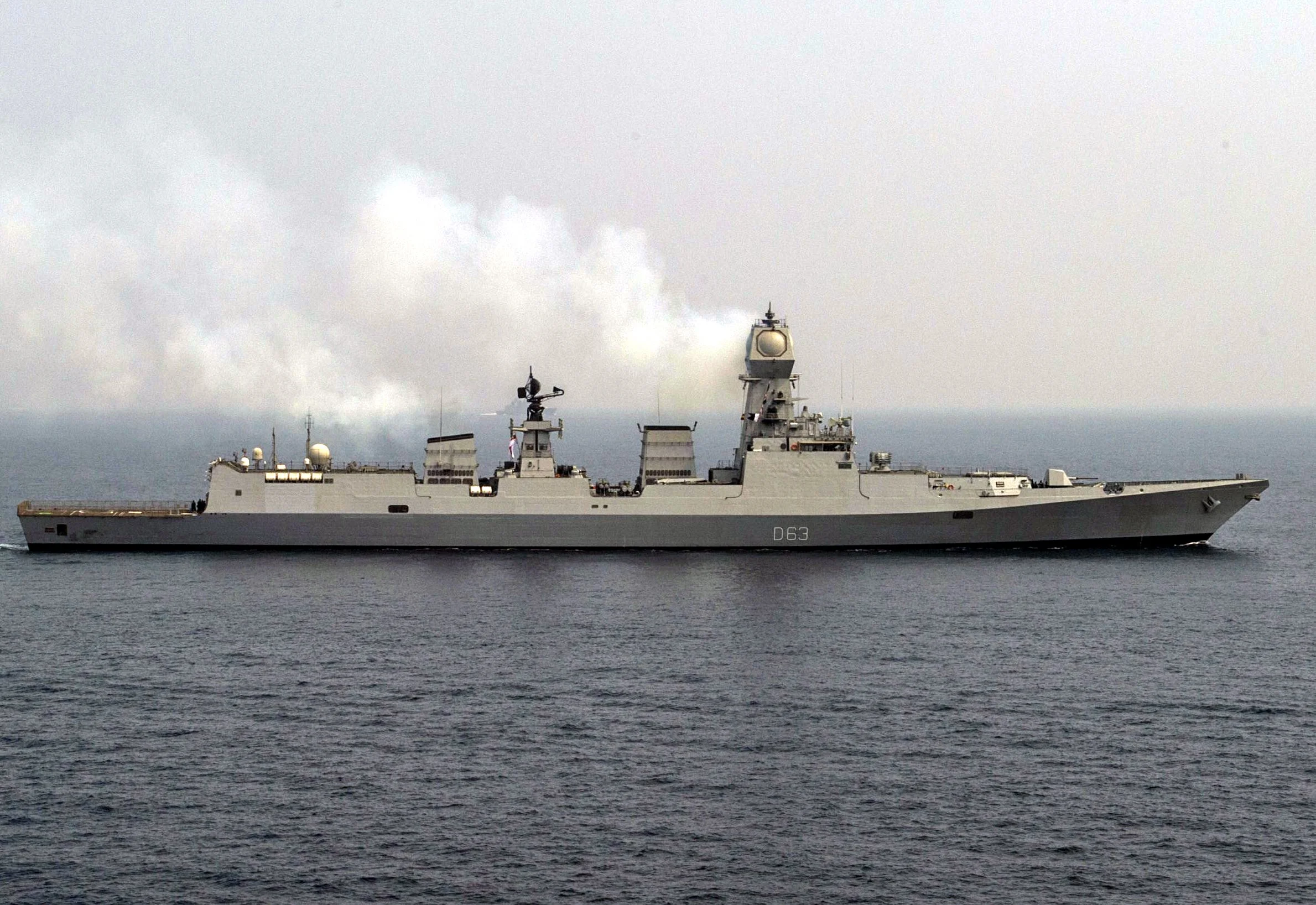
The sea collision between India’s INS Kolkata, pictured above, and Pakistan’s PNS Hunain has raised tensions between the two states (Mass Communication Specialist 3rd Class David Flewellyn//U.S. Navy).
.jpg)
An Indian missile destroyer and Pakistani patrol ship collided in the Arabian Sea on September 15, escalating diplomatic tensions between the two neighboring countries. Per Al Jazeera, the incident occurred just over 130 miles east of Oman between India’s INS Kolkata and Pakistan’s PNS Hunain. The collision also happened during Pakistan’s biennial SEASPARK maritime exercises, sparking a back-and-forth over which nation is at fault.
In the wake of the incident, both countries have taken swift diplomatic action. According to The Diplomat, India’s Ministry of External Affairs (MEA) summoned Pakistan’s senior diplomat in New Delhi, Chargé d’Affaires Saad Ahmad Warraich, on September 16. During the meeting, the MEA criticized Warraich “over the unacceptable and unprofessional conduct of Pakistani naval units” and called on the country to respect existing agreements on military conduct.
Pakistan’s Ministry of Foreign Affairs responded almost identically, summoning India’s Chargé d’Affaires in Islamabad to protest the Indian Navy’s “highly provocative” and “belligerent” behavior. The Ministry also noted that the accident happened within Pakistan’s exclusive economic zone (EEZ), international waters that Pakistan holds exclusive resource rights to under the 1982 United Nations Convention on the Law of the Sea. According to the BBC, Pakistan’s statement went a step beyond individual condemnation, urging global spectators to remind India of the precarious implications these violations have for South Asia’s stability.
Along with disputes over who caused the collision, both India and Pakistan accuse each other of violating the 1991 Advance Notice on Military Exercises, Manoeuvres and Troops Movements, a bilateral treaty designed to open communications on military operations.
What seems like an accidental naval impact is an agitator of India and Pakistan’s long history of military and geopolitical conflict. As the Washington Post notes, the two countries’ last military clash was in May 2025, after a deadly terrorist attack in the Indian occupied section of Kashmir led to a four-day exchange of military strikes. India and Pakistan have declared three wars against each other since their independence from Britain in 1947: two over this disputed region.
Such grievances have evolved into new threats in the 21st century. Being two nuclear-equipped next-door neighbors, any land or maritime dispute between India and Pakistan could quickly escalate into an atomic conflict.