
The Iran War Is Triggering a Global Energy Retrenchment
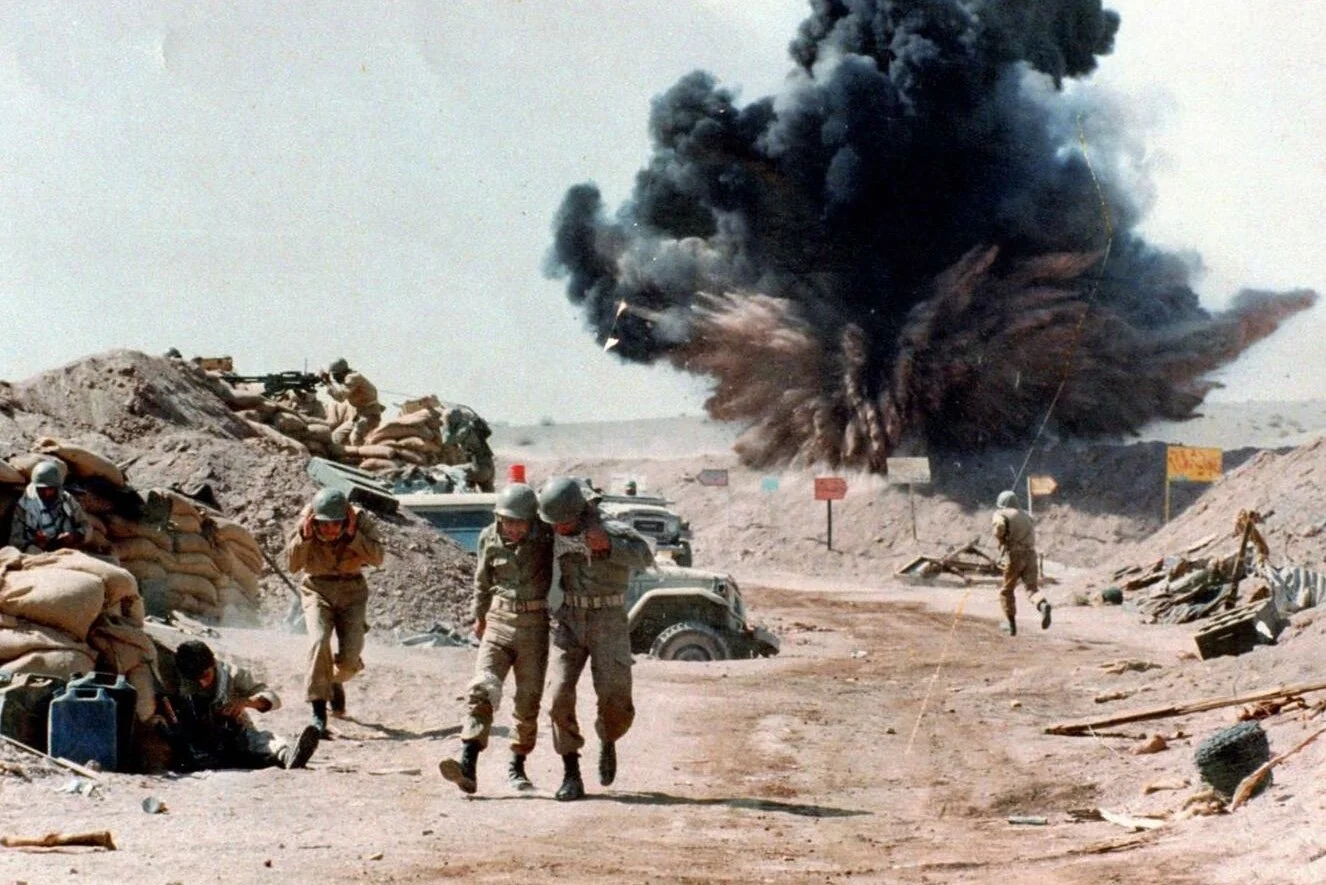
The US-Iran war has led to large increases in fuel prices, just like the pictured Iran-Iraq War (Bhavya Mathur via Wikimedia)

Beneath the devastating conflict of the 2026 Iran War between the United States, Israel, and their allies against Iran, an understated crisis has been unfolding: the reconstruction of energy consumption. At the start of the conflict– as the world focused on the “action”—missiles, explosions, alliances, and the human cost, a major reduction in oil and gas supply from the region sparked an energy supply shock, putting pressure on energy availability and prices. As the global economy bears these, countries aren’t just increasing energy prices. They are using less energy altogether. What started as geopolitical tensions has escalated into a full-out energy crisis.
At the center of all this turmoil lies the Strait of Hormuz, a vital waterway that serves as the world’s most critical oil chokepoint. The waterway serves as a critical artery for global oil supplies, with an average of 20 million barrels a day sailing through on tankers per day in 2025, primarily to Asian markets. According to Reuters, the closure of the Strait by warring forces to oil transit is forcing many countries such as Sri Lanka and the Philippines to conserve supplies as the global benchmark price of oil has risen over 50%. Fuel prices have reached levels where cutting consumption has become more feasible than continuing to pay up.
The increased energy cost disproportionately affects other areas of the economy, including the transportation, manufacturing, and agriculture sectors. Governments are forced to react to the situation by removing various regulatory policies in an attempt to stabilize an already unstable situation.
Global governments are actively working to curb the damage. According to NBC News, the United States has already taken steps to ease sanctions on Iranian oil, prioritizing price stability over the enforcement measures that were in place just months earlier. These actions speak to bigger trends regarding inflation, trade, and domestic political stability.
The uncertainty is driving a reinterpretation of energy security. Policy makers are coming to terms with prognoses from analysts like Rory Johnson who predicts that if prices continue to rise from a continued closed strait, “This will be so, so, so, so, so bad. We're talking about Covid-level demand loss, no cars on the road, no planes in the sky, but with no pandemic.”
The conflict has exposed how fragile the systems set in place are. The illusion of unlimited, stable energy has begun to fade, replaced by a growing reality of conservation and constraint.
However, different solutions are emerging in the wake of this disruption. According to the NYTimes, some governments are using the crisis to accelerate investments in renewable energy, intending to reduce dependence on volatile fossil fuel markets. According to Reuters, A recent analysis of the Iran-related energy crisis shows that governments are actively rethinking fossil fuel dependence and accelerating clean energy strategies. Others are moving in the opposite direction, expanding domestic oil and gas production to protect themselves from external shocks. Critically, the result is a fragmented global response, fueled by individual national interest rather than a coordinated international strategy.
The Iran conflict illustrates that the world economy relies on a steady flow of energy, specifically from areas that struggle with political stability and are hindered by critical global chokepoints. International diplomacy, reliance on the free market, and strategic partnerships have allowed nations to navigate this challenging geopolitical structure. However, the ongoing conflict more than suggests these tools have limited effectiveness.
These trends may portend a shift away from oil and reduced energy use, not as part of a coordinated sustainability transition in line with any climate goal but rather a forced adjustment driven by geopolitical instability. From an environmental and climate perspective, it is a critical distinction. Countries are not choosing to consume less energy. They are being pushed into it through supply disruptions, rising costs, and systemic risk. Whether this period of retrenchment leads to lasting change or fleeting temporary adaptation will depend on how governments respond in the months ahead and the duration and scope of the war. However, one thing is clear: the impact of the Iran war has not been confined to the battlefield.