Crackdown on the LGBTQ Community Continues in Senegal
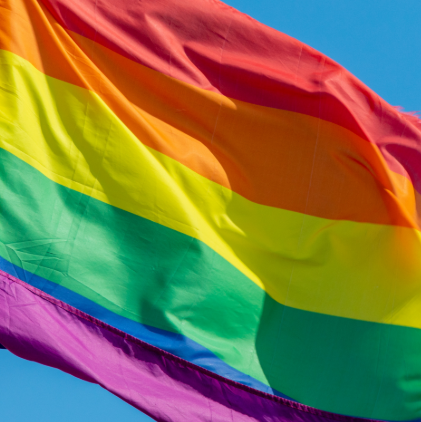
In Senegal, LGBTQ individuals have no right to expression or association, and they face discrimination in education, employment, housing, and healthcare. (Petr Kratochvil)
The Senegalese parliament unanimously passed legislation to double the penalty for same-sex relations on March 11, further criminalizing homosexuality in the west African country.
Previously, those suspected of same-sex sexual relations (defined as “acts against nature” in the bill) faced one to five years in prison. Now, they face up to ten years in prison. Anyone accused of hiding, helping, or promoting same-sex relationships now faces three to seven years in prison. These penalties apply regardless of whether or not any public act has been committed, and there is no burden of proof to denounce a couple. The legislation passed with 135 votes in favor and three abstentions.
The most recent legislation is part of an ongoing crackdown on LGBTQ populations in Senegal. In February, authorities arrested 12 men, including two local celebrities, suspected of same-sex relations. Since 2020, there have been over 100 arrests and multiple attempts to pass anti-LGBTQ legislation. Anti-LGBTQ provisions have existed as early as 1965, in Senegal’s original penal code.
The UN Human Rights Chief Volker Turk denounced, “It flies in the face of the sacrosanct human rights we all enjoy: the rights to respect, dignity, privacy, equality and freedoms of expression, association and peaceful assembly,” worrying over the possibility of increasing discrimination and hate crimes.
In Senegal, to be LGBTQ means to live a life of fear and hiding. In anonymous interviews, gay men reveal how social stigma has led to violence and aggression that has caused them to lose schooling, employment, and relationships over time. Many of them try to fit in by marrying women, but are still consumed by anxiety and self-loathing.
On social media, Senegalese have celebrated the news, posting “Está de parabens Senegal 👏👏👏👏👏👏👏,” “Make it 30 years sir 🙏🙏🙏😂,” “It’s supposed to be life [in prison]”, and “Masha Allah.” While there are still some critics, the grand majority of Senegalese are supportive, even asking for harsher sentencing.
Senegal is a deeply religious Muslim country, with over 95 percent of the country identifying as Muslim. In line with their religious beliefs, homosexuality is seen as an affront to Senegalese culture. Many also see LGBTQ rights promotion as unwanted Western influence: one person on social media commented, “Stop forcing Western propaganda on countries that don’t want to.” As a result, international criticism of Senegalese treatment of LGBTQ individuals has largely been dismissed, with officials stating that the most recent legislation is reflective of public sentiment and desire. Actually, the advocacy group And Samm Jikko Yi believe the bill is not harsh enough and threatened mass protests unless harsher sentencing provisions are included.
In addition to cultural beliefs, many also fear HIV transmission. Almost 30 percent of all people with HIV in Senegal are gay men, and Senegalese increasingly fear that gay men will cause an HIV epidemic. Experts note that despite the risk for HIV transmission among homosexual men, transmission is not guaranteed; experts also note that heterosexual relationships can also lead to HIV transmission. Meanwhile, healthcare workers are worried that the latest bill will endanger people living with HIV (if status is used as proof of homosexuality) and prevent proper treatment, as fear of arrest has stopped service provision in the past.
Senator Diaraye Ba announced the bill, saying, “Homosexuals will no longer breathe in this country,” to applause from the Parliament floor.