
Moldova Cuts Off Water Supply After Fallout from RussiaN Attack on Ukraine Pollutes River
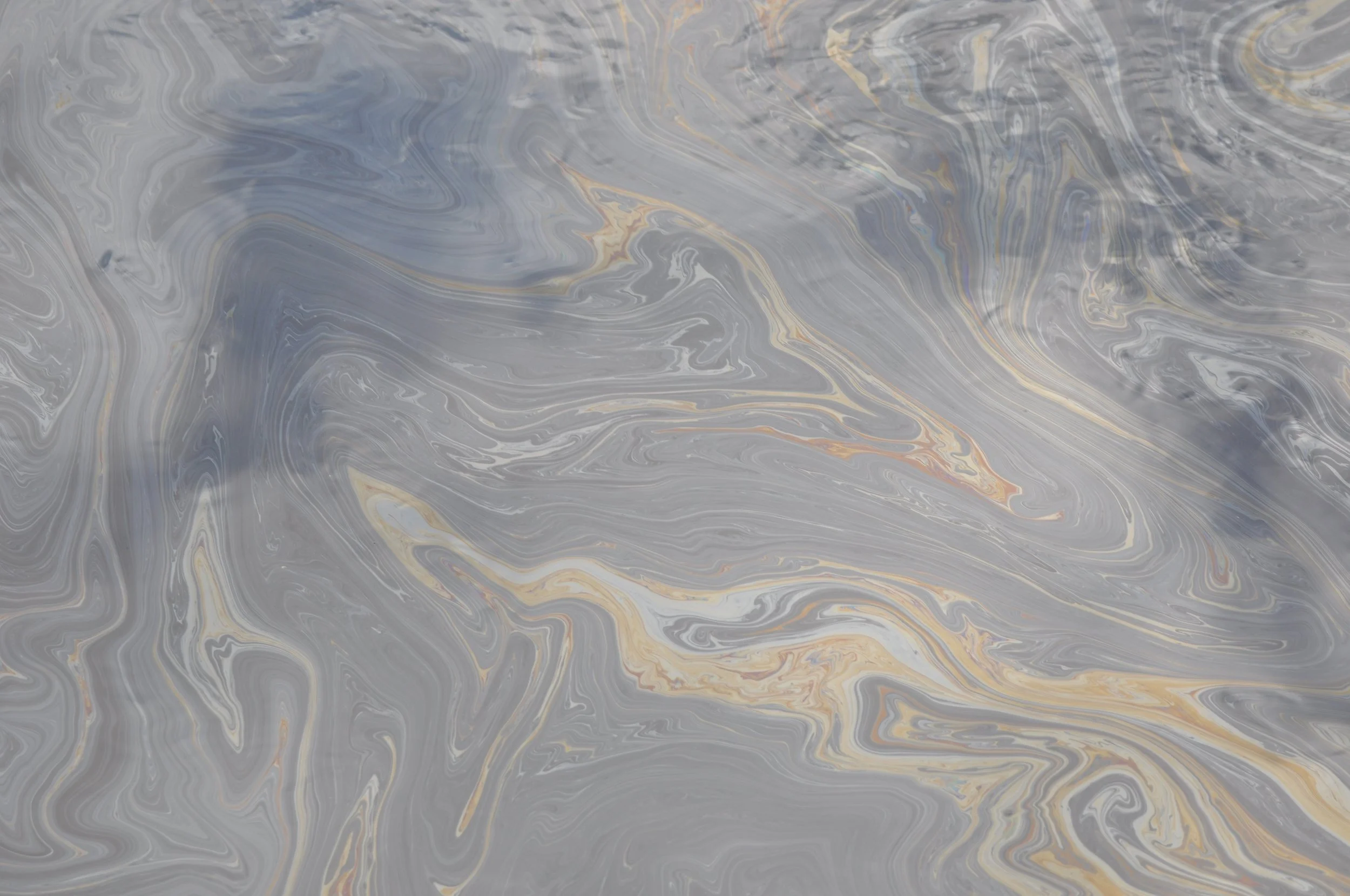
The Dniester River oil spill is the latest example of regional fallout from Russian attacks on Ukraine (Mic Stolz//Flickr).
Russia attacked the Ukrainian Novodonistrovsk hydroelectric station on March 7, sparking a massive oil spill which polluted the Dniester River, per Reuters. The impact of the spill stretched beyond Ukraine and its infrastructure, spreading to Moldova and forcing water cutoffs in Balti, Moldova’s third-largest city, as well as surrounding towns. Moldova’s government responded by instituting a 15-day environmental alert and condemning Russia for the attack.
This is just the latest example of the Russo-Ukrainian War’s destructive consequences, which spread far beyond both combatant countries through regional spillover effects affecting primarily European countries. Other instances of Russia’s attacks intended for Ukraine implicating neighboring countries include drone debris crashing in Romania and Russian missiles making incursions into Poland's airspace, according to PBS and Politico.
These regional spillover effects may be purely coincidental forms of collateral damage from Russia’s attempts to raise the costs of Ukrainian military resistance by attacking their power plants and way of life. In this case, pollution of the Dniester River and Moldova’s ensuing water shortage is unavoidable collateral damage that comes with war. This mirrors the war’s global financial effects—Russia attacking Ukraine catalyzed a slew of sanctions that debilitated oil supply chains worldwide; though unintentional, rising prices in Germany, for example, could be viewed as a form of collateral damage, according to NPR.
However, Moldova may also be a target of Russia’s hybrid warfare methodology, in which it uses non-military tools and pretenses like “collateral damage” to destabilize its neighbors. Russia has interests in Moldova and has long sought to exert influence over it. In the breakaway region of Transnistria, Russia supplies cheap natural gas and backs propaganda that portrays Moldova as trying to destroy the region’s development, per the Center for European Policy Analysis. It has also repeatedly attempted to exert influence over Moldovan elections, per the Institute for the Study of War. Importantly, this comes in the wake of Moldova’s attempted ascension to the European Union, which stipulates that stability is key to joining, per the European Parliament. By catalyzing the water crisis and public health fears due to the oil spill in the Dniester, Russia destabilizes public confidence in Moldova, as it has repeatedly attempted to do through its influence and propaganda in Transnistria.
Regardless of Russia’s concrete intentions, the implications of its attacks on Ukraine indisputably have both regional and global fallout. The financial effects of the Russo-Ukrainian War and corresponding sanctions continue to be felt four years later. Most recently, according to Deloitte, the closure of the Strait of Hormuz exposed the vulnerability of Gulf oil and gas supplies that have served as key alternatives to sanctioned Russian energy.