
Russia Restricts Telegram and WhatsApp in Censorship march
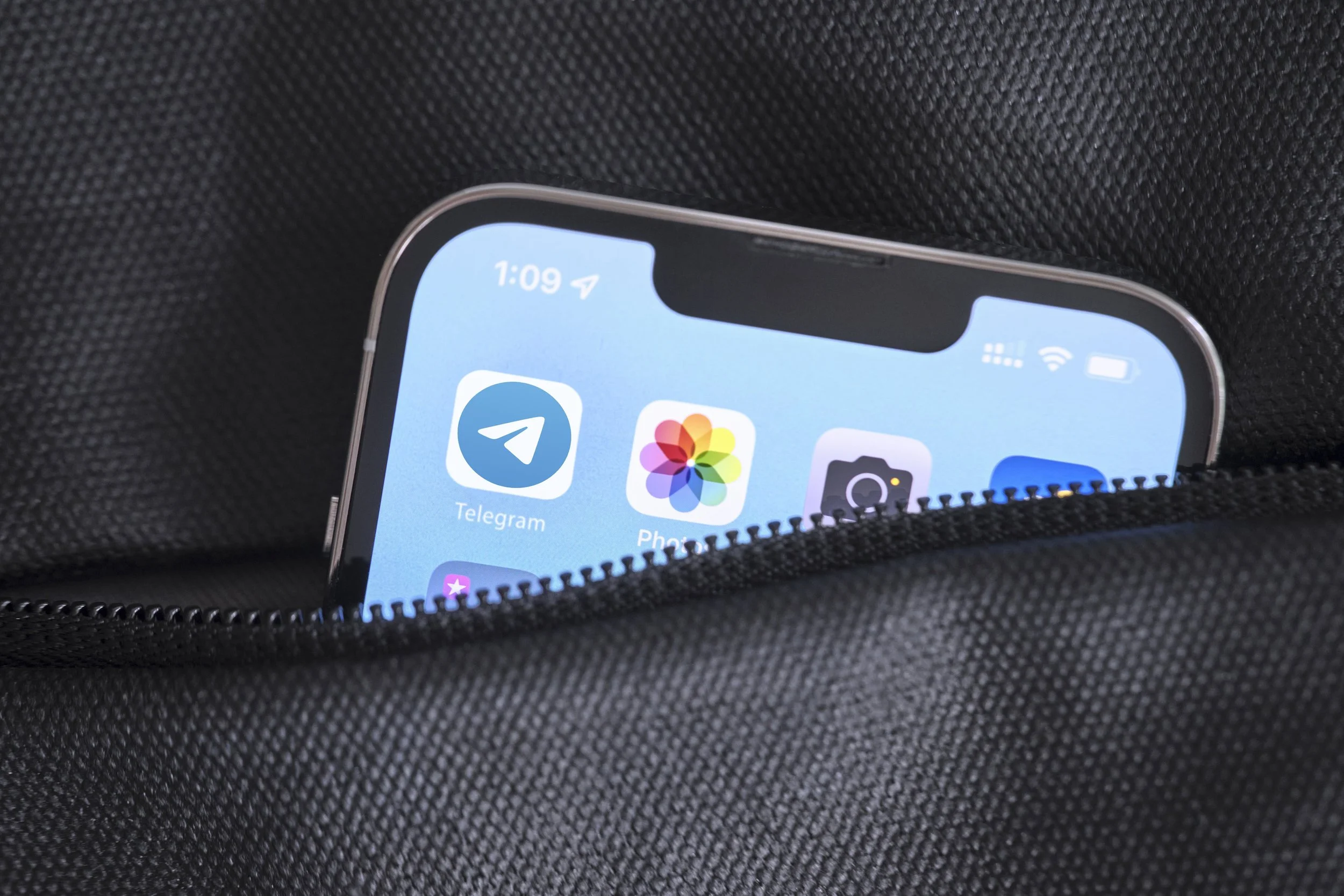
Telegram had thus far escaped censorship restrictions, becoming a haven for anti-war activists, independent media, politicians, and pro-war bloggers (Focal Foto//Flickr).
Russia’s state censorship agency, Roskomnadzor, began restricting access to Telegram, a messaging and social media service that is ubiquitous in Russia, on February 10, according to Meduza. Roskomnadzor also de facto banned WhatsApp on February 12, according to both Meduza and WhatsApp. These moves threaten to cut off access to the last foreign social media platforms available in Russia that do not abide by censorship laws.
Since the start of Russia’s full-scale invasion of Ukraine in February 2022, foreign social media platforms have been banned or restricted one-by-one. Roskomnadzor banned Facebook, Instagram, and Twitter almost immediately in March 2022. It began restricting access to YouTube in August 2024 by artificially throttling connection speeds for YouTube traffic, which is the same tactic currently being used to restrict access to Telegram, according to Meduza. By 2025, connection speeds decreased to the point that YouTube became completely unusable, resulting in a de facto ban.
Telegram, which is based in Dubai, is massively important in Russia. Unlike traditional messaging apps, it also features channels and feeds where celebrities, news organizations, and everyday people can send content directly to their followers. For exiled independent Russian media outlets like Meduza, Telegram served as a lifeline to reach Russian readers. While Meduza’s website is blocked within Russia, its Telegram channel has over a million subscribers and remains accessible.
While blocking foreign social media platforms, the Russian government has created its own alternatives that are subject to state censorship and require users to register with their phone numbers. VK Video and RuTube intend to replace YouTube, while the new government messenger app “MAX,” modelled on China’s WeChat, intends to replace Telegram and WhatsApp. These social media restrictions clamp down on internal dissent and reduce domestic political unrest as inflation continues to eat away at Russians’ purchasing power and the war drags into its fifth year. Still, these restrictions are not bulletproof — VPN services allow Russians to access banned services without any drop in connection speed, and have surged in popularity as more platforms have been banned.