
Nipah Virus Hanging Around in India
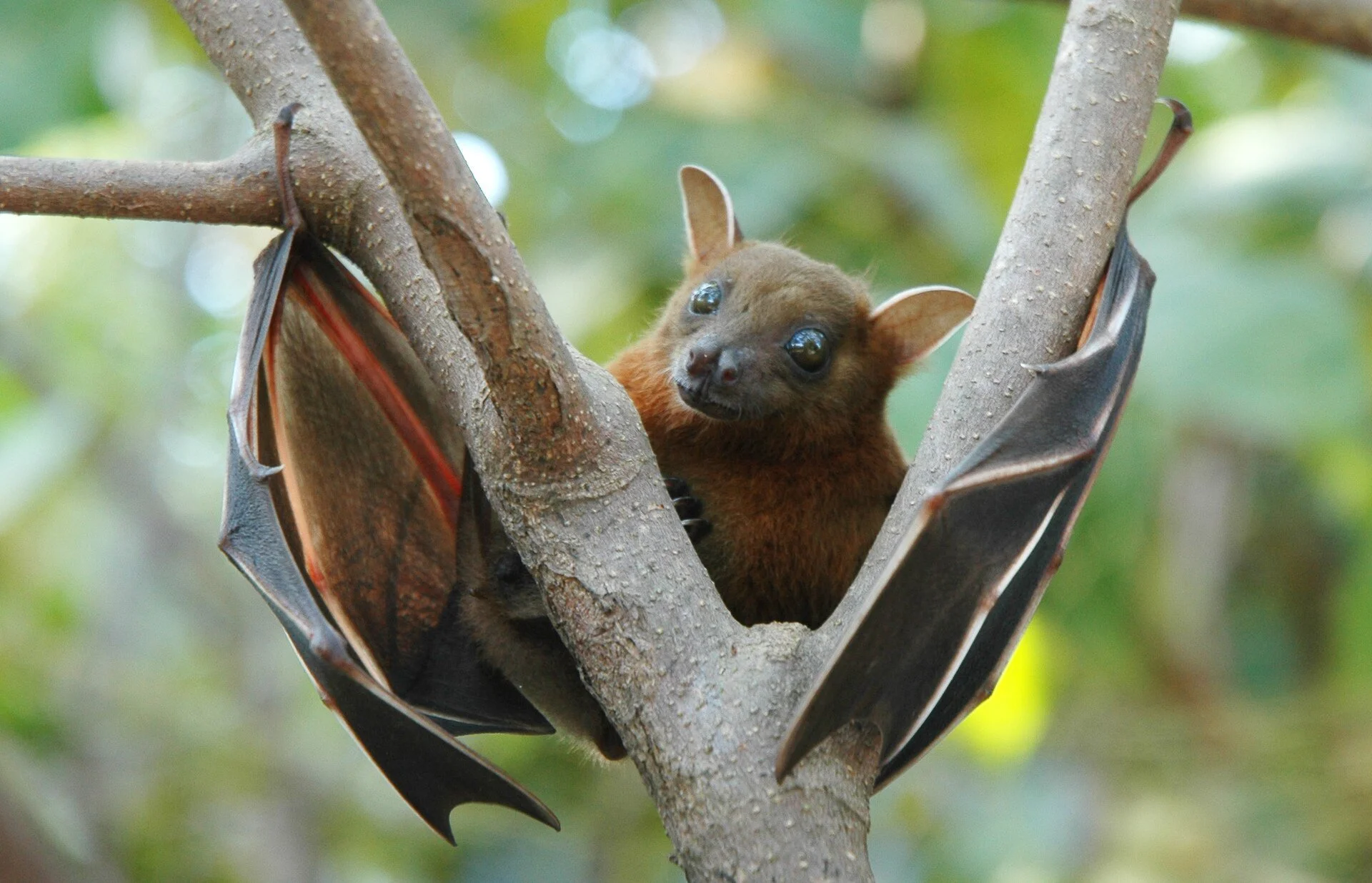
Scientists believe that the fruit bat is the main carrier of the Nipah virus (Anton 17).

India’s National Institute of Virology confirmed two cases of Nipah in West Bengal on January 13.
Two healthcare workers, one male and one female, both in their early thirties, contracted Nipah virus in late December 2025 in the Indian state of West Bengal (near Bangladesh in the northeast), per the Hindustan Times. Although both had to be hospitalized in early January 2026, officials announced that one is showing signs of improvement. The WHO states that authorities have identified 200 points of contact and are closely monitoring the situation to prevent further cases.
First emerging in Malaysia, Nipah virus is a zoonotic disease, meaning it originates in animal populations and is transferred to humans. It spreads through either direct contact with infected fruit bats, contaminated foods, or other infected humans. According to the WHO, it is still unknown exactly how the virus carried into humans this time, although human-to-human transmission is possible since healthcare workers are exposed to infected bodily fluids. The Center for Infectious Disease Research and Policy further notes that previous Nipah outbreaks in India have resulted from eating contaminated fruit. With symptoms including pulmonary lesions and encephalitis (inflammation of the brain), Nipah virus is highly fatal, according to Science Alert; it has a fatality rate of 40 to 70 percent.
There is currently no vaccine or cure for Nipah virus. Current vaccine development has focused on using similar glycoproteins (protein in charge of virus attachment to the host cell) to train the human body to coordinate an immune response. In the last two decades, only four vaccines for Nipah have made it to clinical trials, per the Center for Epidemic Preparedness Innovations. Dr. Nandini Arunkumar, a current employee of the National Institutes of Health (NIH) and former biotech consultant at the Bill and Melinda Gates Foundation, told The Caravel, “Vaccines for me are the way to go because you’re preventing disease rather than treating it post hoc. Treating the disease is a burden on the health system.”
That said, there are some big challenges ahead. For starters, because the virus is incredibly deadly, it often kills its victim before it can infect someone else. Writing in The Lancet Regional Health – Southeast Asia, researchers Md Zakiul Hassan, Amanda Rojek, Piero Olliaro, and Peter Horby estimate it would take 500 years to get a representative sample, forcing vaccine testing to use animals instead. Not to mention, the virus requires the highest safety precautions in labs, which is expensive and rare. The Indian Express does report that India just recently completed a state-of-the-art lab for pathogen testing. That said, time is short because the virus is mutating quickly. According to scientists Norine Norbert Dsouza and Selvaa Kumar Chellasamy, there have been over 56 mutations of the virus, many of which occurred in India.
In addition to vaccines, there are therapeutic treatments that are being developed to delay death long enough to administer a vaccine. So far, the monoclonal antibodies M102.4 and 1F5 have been most successful, with multiple animal species presenting positive data on efficacy, per The Lancet Microbe. However, monoclonal antibodies are low in supply and thus carry costs of up to $2000 per dose. Although India has imported M102.4 in the past, Hassan, Rojeck, Olliaro, and Horby state it has yet to use it in an outbreak.
In the meantime, the four scientists share that doctors rely on “compassionate use” of drugs which are not officially approved for Nipah virus treatment. According to its official website, the southern state of Kerala in India officially endorses the use of ribavirin, remdesivir, and favipiravir, and it consistently deployed ribavirin in its 2018, 2019, and 2023 outbreaks and remdesivir during the 2023 outbreak. However, it’s still unclear how effective or safe these drugs are. When used in two different clinical trials in 2018, only two out of six survived with ribavirin. The Lancet Microbe further notes that the alternative remdesivir, which is widely available thanks to its approval for COVID-19, can cause liver damage and other issues.
So far, the virus' spread has been limited to these two individuals, and WHO officials believe there is a low risk of an epidemic. Prevention measures, like disease education, waste management, and isolation from fruit bat habitats, can prevent further outbreaks. However, periodic cases and deaths will continue until treatment is found.