
Deadly Storms Continue to Devastate Communities in Spain and Portugal
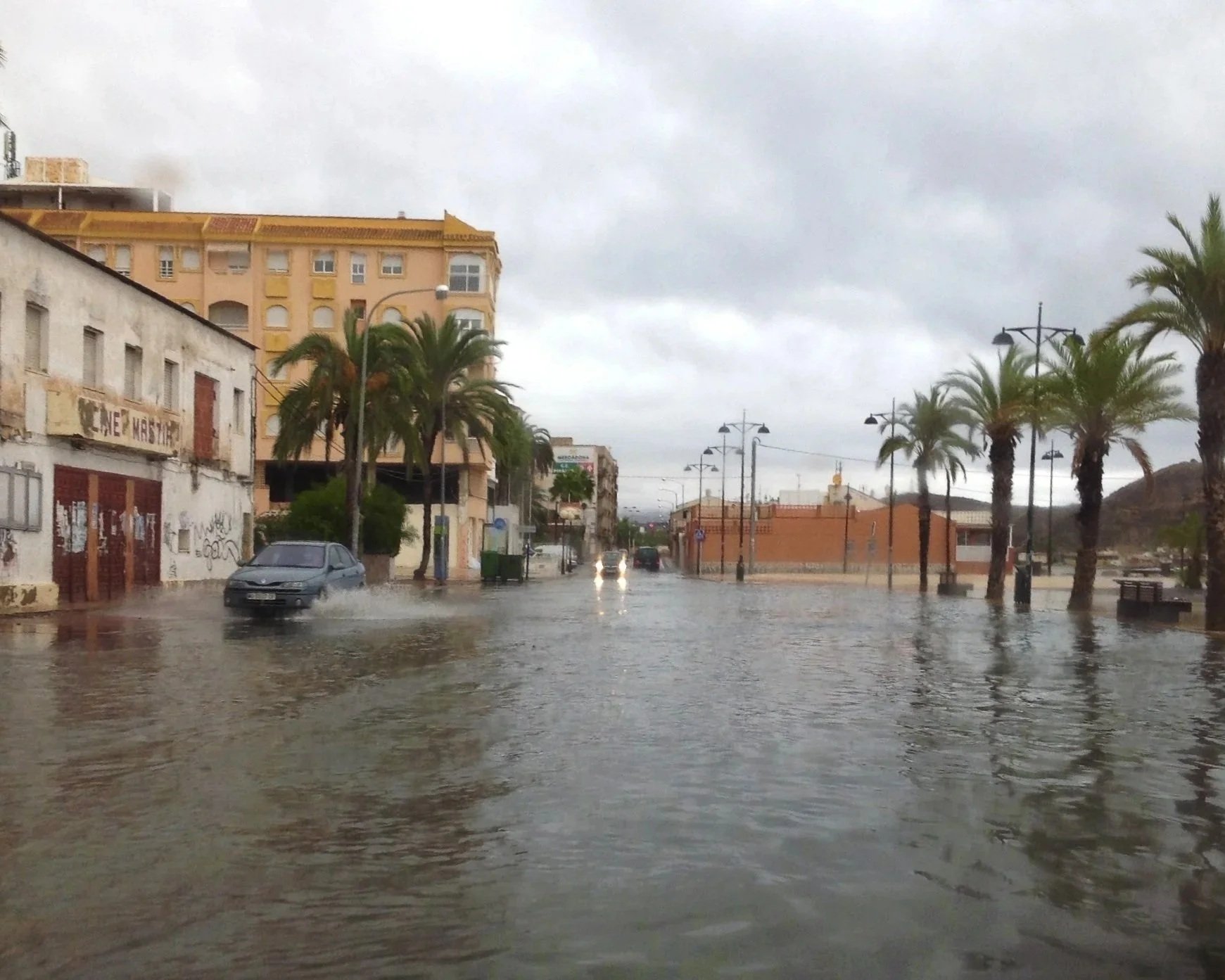
Spain and Portugal remain on high alert as heavy storms flood communities (Evgeniy Isaev via Flickr)
Flooding intensified emergency responses across Spain and Portugal after another major rainstorm, Nils, ravaged local communities. Across the Iberian Peninsula, mounting devastation remains following eight major rainstorms since the start of 2026, with towns submerged and residents displaced.
Torrential rain has swollen rivers across southern Spain and parts of Portugal. With drainage systems already saturated from the seven previous storms since the start of 2026, the damage has compounded with each successive storm. Authorities placed much of the region on high alert, with the northern regions of Spain decreed at the highest red alert level, as floodwaters brought by Nils decimated neighborhoods and forced evacuations.
The previous storm, Marta, delivered repeated periods of intense rainfall and wreaked significant havoc. Farmers in Spain and Portugal reported catastrophic crop losses after fields and orchards were left submerged. The Portuguese government estimated that the storms have already inflicted over 750 million euros in damages and displaced nearly 11,000 people in Andalusia.
In an overnight battle on February 11 with the rising rivers as Nils drenched communities, emergency crews worked tirelessly to rescue stranded residents and clear blocked roadways. First responders carried out multiple water rescues after vehicles were caught in fast-moving currents and homes were cut off by rising floodwaters.
Beyond the immediate threat to life and property, the storms damaged infrastructure, including roads, rail lines, and public utilities. The repeated storm systems have left soil unable to absorb additional rainfall, increasing runoff into already swollen river basins, compounding the damage across Andalusia and surrounding regions, as rising rivers forced school closures and transportation disruptions.
In Portugal, civil protection authorities remain mobilized as continuing rainfall threatens to trigger landslides and further flooding. Emergency agencies deployed rescue units and urged residents in high-risk zones to avoid non-essential travel while monitoring reservoir levels. However, the Portuguese response has not been uncriticized, with Portuguese Interior Minister Maria Lucia Amaral resigning amid intense criticism over a slow and failed response to an earlier storm, Kristin.
These events are quickly raising concerns over the long-term economic impacts in agricultural regions, with the farmers' organization COAG representative Miguel Angel Perez telling the Spanish press that “we have a real natural catastrophe.”
Climate researchers at the Environmental Defense Fund caution that while no single storm can be directly attributed to climate change, warmer atmospheric conditions can intensify rainfall events by allowing air to hold more moisture. Southern Europe has experienced increasing swings between prolonged drought and episodes of intense precipitation in recent years, underscoring the vulnerability of Mediterranean regions to hydrological extremes and the need for proactive responses. Indeed, the storms have devastated the rest of the western Mediterranean, with southwestern France also experiencing record flooding, including following the recent storm, Pedro, on February 19.
More devastating weather emergency services remain stationed in areas prone to flooding as authorities continue issuing alerts. The succession of storms and their devastating impact highlight the growing strain on infrastructure systems and the challenges facing communities as extreme weather events become more severe and frequent.