
Russia Attempts to “Freeze Ukraine” With Dozens of Missile Strikes
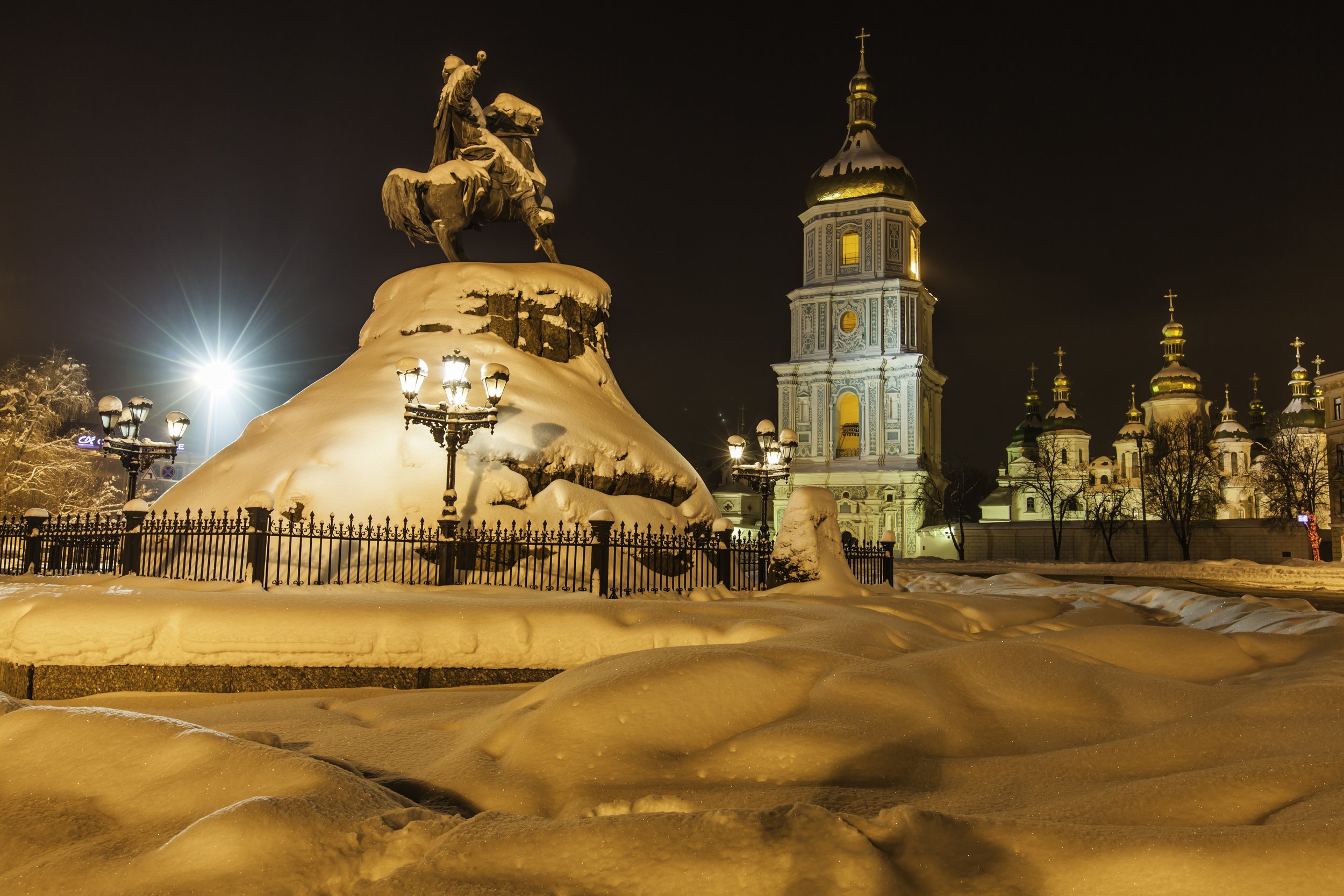
Kyiv’s centralized district heating system makes it especially vulnerable to Russian attacks attempting to freeze residents (Valerii Tkachenko/Wikimedia Commons).

Russia is continuing its strikes against Ukrainian energy grids in what experts describe as a brutal strategy of “weaponizing winter.” Over 70 percent of Kyiv’s residents were left without power after yet another wave of intense bombardments beginning January 13, and many people are also forgoing heat amid freezing temperatures. Ukrainian President Volodymyr Zelenskyy accused Russia of “deliberately wait[ing] for freezing weather to make things worse for [the Ukrainian] people.”
In addition to Kyiv, Russia’s air offensive struck energy infrastructure supplying power to Odesa, Kharkiv, and Dnipro, among other major cities. On January 24, Russia launched a fresh wave of drones and missiles at Kyiv and Kharkiv, while thousands of apartment buildings remained without heating and water. My source in Kyiv reports that outside temperatures ranged between –20 to –15 degrees Celsius (–4 and –5 degrees Fahrenheit). She regained electricity on January 21 after three days without it, but her heat had not returned as of January 24, the last time I had contact with her– most likely before the Internet shut off again. In response to my question about using a generator, she explained : “You can’t keep a generator in an apartment or hang it outside the window… only in houses; it shakes the building and the foundation itself… you can buy a charging station or energy saving system, but a good one is expensive and also runs on electricity… if there’s no power for more than a day or two, it will also run out of power… [costing between] $5k [and] $12,000.”
Kyiv relies on a centralized district heating system to provide heat and pump hot water to apartment buildings. The Director of the Energy Industry Research Center in Kyiv, Oleksandr Kharchenko, said Russian strikes damaged these plants, leading to pipes bursting from freezing water. Kyiv Mayor Vitali Klitschko said Kyiv has been preparing to decentralize the heating grid, although the effort will take time the country does not have. He noted that, “To defend from a Russian attack, what we need is air defense.”
This comes in the wake of a government reshuffle and revitalized Ukrainian strategy to digitize the military, as apparent by the Ukrainian Parliament appointing the former Digital Transformation Minister to the role of Defense Minister on January 14. Ukraine urgently requires improved and increased air defense systems; Russia’s sheer intensity of attacks necessitates this. In addition to this, Ukraine must be able to employ a strategy of deterrence, causing Russia to fear retaliation.
Russia has repeatedly employed the tactic of “weaponizing winter” throughout its war against Ukraine. However, this winter season’s especially low temperatures make the current destruction of the Ukrainian power grid more dangerous for civilians than previous attacks. My source in Kyiv writes, “Most of the time we just dress very warmly and heat the apartment with heaters when there is light; I wanted to text you back or offer to call, but the internet connection without power is horrible.” Current conditions in Ukraine mirror those from the beginning of the war, when widespread power outages and ensuing Internet outages brought everyday life to a halt. Many Ukrainians find it difficult to maintain morale and optimism when everyday life is constantly disrupted– heating water manually, shivering at home, in the dark and cold. This seems to be Russia’s goal– to“freeze Ukraine,” both physically and morally.