
WASH your Water: Cholera Re-emerges in Malawi
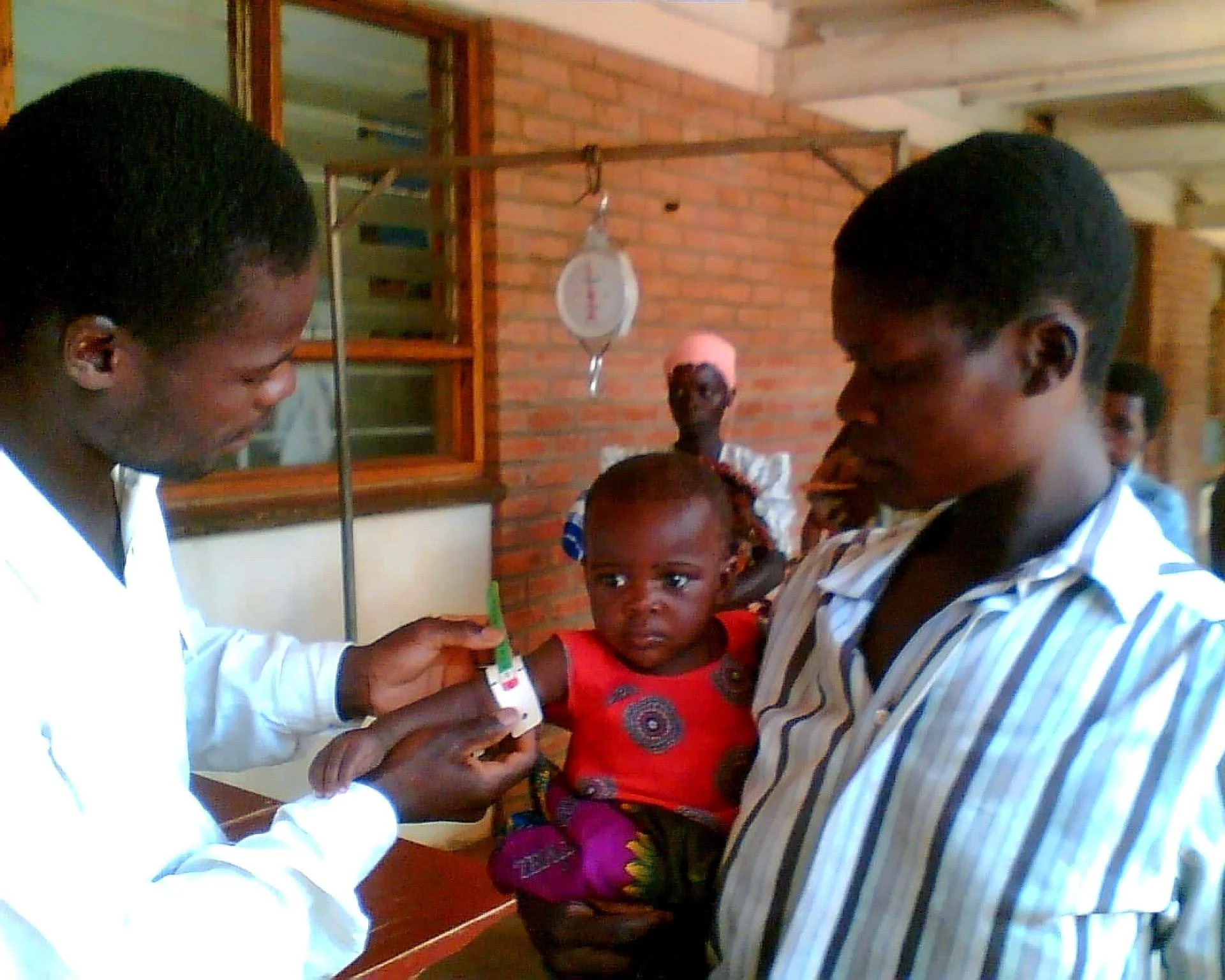
Doctors can administer cholera vaccines to children as young as one (Sufilana Alubino).
The Malawian government announced a bid on January 25, 2026 to roll out cholera vaccines to suppress a rise in cases.
Cholera is spreading in Malawi, with two deaths and nearly 700 suspected cases as of February 7, 2026. The government announced plans to vaccinate 24,000 of its most vulnerable citizens in the commercial capital of Blantyre, currently the worst affected district. It has already chlorinated 50 boreholes/water sources and distributed information and kits to nearly 400 households, with surveillance ongoing. Dr. Andrew Azman, an epidemiologist focusing on cholera at John Hopkins, told The Caravel that disease surveillance has improved in the country.
Cholera, a diarrheal disease contracted from contaminated food or water, is common in impoverished countries with inadequate water, sanitation, and hygiene (WASH) infrastructure. Globally, there are upwards of four million cases and thousands of deaths, despite the fact that cholera is one of the most treatable diseases; only a simple rehydration solution is needed. Without treatment, though, the body loses a liter per hour and dies quickly.
Vibrio cholerae, the bacteria that releases the toxin causing cholera, is naturally occurring in both salt and fresh water sources. It’s usually found attached to zooplankton, like copepods, that protect it from adverse conditions (waters below 25℃ or with acidic pH). Just 10,000 cells (which a single copepod can carry) can cause infection. Since a copepod is only one or two millimeters in length (about the size of a speck), it’s impossible to clean water by hand.
Malawi has an underfunded and highly decentralized healthcare system, with less than 500 Malawian Kwacha (~US$300,000) allocated from the budget. This isn’t enough to fund even half of needed services, including WASH. Meanwhile, treated water in Malawi costs 86 Malawian Kwacha per five gallons, and impoverished communities often turn to local streams instead.
As a result, this is not the first time Malawi is facing a cholera outbreak, and climate change patterns like El Niño are increasing risk. Sea level can rise as much as 10-20 inches in some places, and severe storms can damage WASH infrastructure, causing floods that contaminate water sources. In 2022, Tropical Storm Ana flooded more than 54,000 latrines and 340 wells in Malawi. Critically, climate change also creates necessary conditions for vibrio to grow.
Dr. Rita Colwell, Professor Emerita at University of Maryland and an experienced researcher on the relationship between climate change and infectious diseases, told The Caravel, “As the sea temperatures warm up, it’s not that the vibrios migrate; the conditions for them to proliferate grow. That’s the problem. [...] And then you have severe weather patterns accelerating. So, like Miami has had stronger hurricanes. The winds stir up the beaches and coastal area, causing the sediment to roil up in the water column–that’s nutrients. So you got warmer water, more nutrients, and with a lot of the runoff, you get alkaline pH. That’s perfect, and that’s in fact the conditions we use in the laboratory for vibrios.”
An easily administered oral vaccine, Euvichol Plus exists. However, global supply shortages are limiting treatment to one dose per person. The South African firm Biovac is currently developing a new vaccine, which might alleviate supply chain pressures in the future.
Even so, vaccination is only a short-term solution. To prevent cholera outbreaks on a large-scale, there needs to be significant investments in WASH, including water treatment facilities and education efforts. The reality is that preventing cholera in the long-term is cost effective. Filtration can be as simple as filtering water through sheer cloth, which already can cut cholera cases in half, according to Dr. Colwell. Other options include a new bioremediation method to treat water with healthy bacteria and microorganisms or bioretention, which filters floodwater and prevents it from becoming stagnant.
Dr. Azman reflected, “This takes large investments in infrastructure and investments in upkeep and maintenance of these systems. Safe water is a human right, and we need to figure out ways to help countries like Malawi provide this to all.”