
Lithuania Plans to Vote on Removing a Legal Ban on Nuclear Weapons
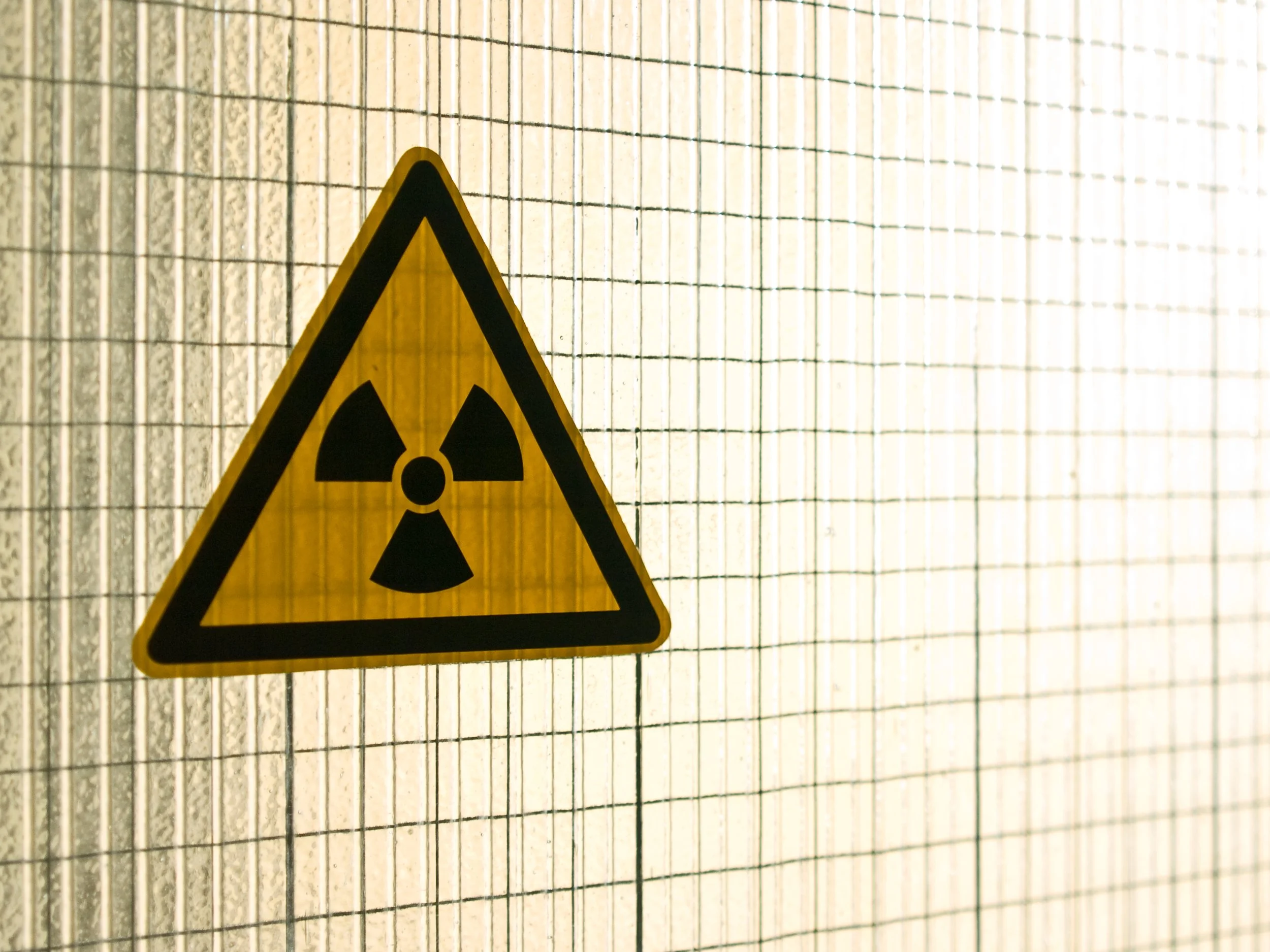
Lithuania is the only NATO member to still legally ban hosting nuclear weapons (Cornelius Bartke//Flickr).
On September 22, Lithuanian parliament members voted on a proposal to remove its constitutional restriction on nuclear weapons that has been in place since 1992. Of the 117 members who voted, 99 voted in favor of the consideration, indicating robust momentum in advancing the amendment. The adoption of the historic proposal—which members of Seimas, Lithuania’s legislative chamber, will vote to confirm or deny on October 6 and January 12, 2027—would remove a legal prohibition reflecting a historic Lithuanian position against nuclear energy since its separation from the Soviet Union.
The Seimas’ reconsideration of its ban comes as Lithuania continues to spend more than 5% of its GDP on defense, reaffirming Vilnius’ hawkish views on Russia. With Finland’s June repeal of a legal ban on nuclear weapons, Lithuania remains the only NATO member with a legal ban on hosting nuclear weapons.
It is through a NATO-motivated lens that Lithuanian policymakers have approached the nuclear decision. With its crucial position bordering the Russian exclave of Kaliningrad and Moscow’s ally, Belarus, Lithuania sits on the front line of NATO’s eastern flank against Moscow. Removing the constitutional restriction would make Lithuania a viable option for NATO deterrence strategies, such as stationing nuclear capabilities on its territory within short reach of Russian-aligned regions.
The urgency with which Lithuania has approached the issue of nuclear weaponry is set against the backdrop of recent drone incursions. On September 15, NATO jets shot down an explosive-laden Russian drone over Lithuanian territory. Although President Gitanas Nausėda framed the incident as unintentional, the episode reflects increasing worry about Russian escalation against Lithuania.
Following the vote, Russian state-run news agency RIA Novosti published a column threatening Lithuania with invasion and nuclear strikes. The agency deleted the column shortly after, citing a lack of alignment with Russia’s state policy. Still, the Lithuanian military issued a statement, calling the column routine intimidation.
The upcoming votes on the amendment require 94 of the 141 parliament members to pass it. Whether the amendment passes or not, the broader push to ramp up defense highlights shifting norms in an increasingly tense environment not only for Lithuania and other Baltic countries, but for the rest of Europe.