
Hurricane Melissa's Aftermath
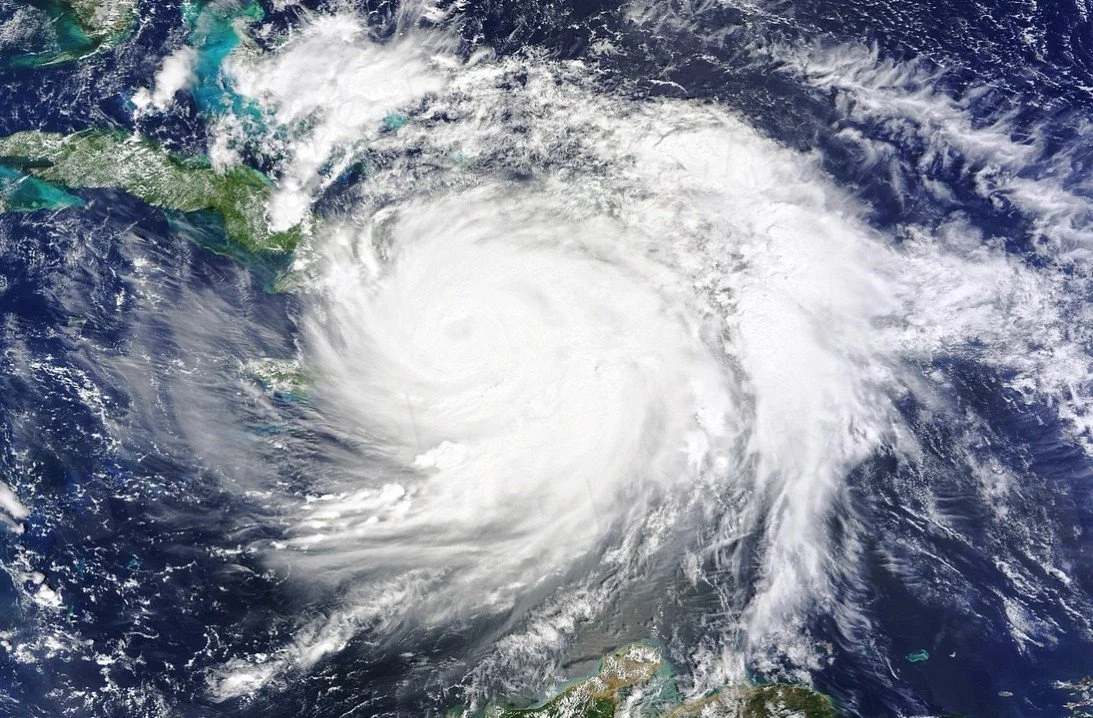
An aerial, scientific view of Hurricane Melissa
The world watched in horror on October 28, 2025 as Hurricane Melissa made landfall in Jamaica. With maximum wind speed reaching around 185 miles per hour, the Category 5 storm was quickly classified as one of the worst tropical cyclones in recorded history. And though the storm itself is over— officially declared a post-tropical cyclone on October 30— its effects continue to be felt throughout the Caribbean.
At least 19 people died in Jamaica as a result of the hurricane, but the death toll may rise if sufficient aid is not delivered. The country’s main airport, located in Kingston, has reopened entirely, facilitating the entrance of humanitarian aid. However, smaller regional airports remain at least partially closed. Road blockages in rural areas prevent aid from being driven into these regions from Kingston. As a result, humanitarian efforts are unable to reach these locations, which generally lack storm-resistant infrastructure and were the most affected by the hurricane.
Olivia Cream, of the southern Black River town in Jamaica, lamented the daily struggles she sees within her small coastal community.
“The area looks like Hiroshima, it looks like the Gaza Strip,” she said.
As of mid-November 2025, only two communities on the island were unreachable, and aid delivery operations persist.
A similar pattern can be observed in Haiti, where over 40 people died as a result of the hurricane. Most of the casualties and damage were concentrated in flooded areas in the South, such as Petit-Goâve and Léogâne. The UN and partner organizations have been consistently working on targeted aid efforts in these areas, providing hygiene kits, food, and psychosocial support for students.
International organizations, such as the World Food Programme, and countries, including the United States and United Kingdom, have pledged their support to relief efforts across the Caribbean. However, according to many climate activists, this isn’t enough.
Campaigns argue that Hurricane Melissa reflects the larger worldwide issue of climate change and has made evident the correlation between countries affected by climate disasters and countries with large African diasporas. Now, many are arguing in favor of a more expansive global response to the climate crisis— one that addresses the ongoing legacy of imperialism and serves reparations.
“The research shows that wherever Afro descendants are located, they are most vulnerable to climate and environmental impact and have been suffering from historical environmental injustice and climate injustice,” highlighted Jamaican economist Mariama Williams at the 30th Conference of the Parties (COP), an annual meeting addressing climate change.
As part of the final resolutions passed at COP30, developed countries pledged to triple climate change adaptation financing for developing countries by 2030; about 40% of the $300 billion in climate financing will focus on building resilience to climate change impacts. Even then, $300 billion is nowhere close to the $1.3 trillion goal for developing countries as proposed in the Baku to Belem roadmap during last year’s COP.
The international community must wait to see whether or not the consequences of recent aid efforts and climate policies will be enough to heal the wounds caused by this disaster.