
Rising Rates of Sexual Violence in the Democratic Republic of the Congo Spark International Concern
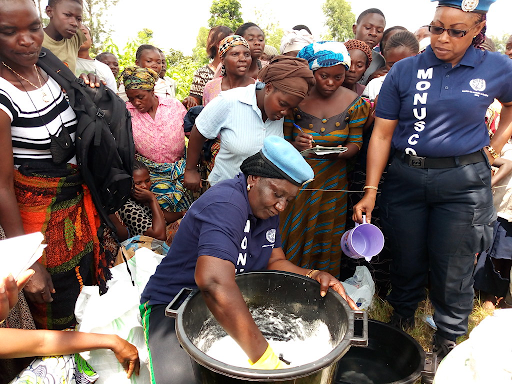
Victims of sexual violence in the DRC receive training in soap making (Flickr).
The NGO Physicians for Human Rights (PHR) released a report detailing a rise in sexual violence cases in conflict-stricken Eastern Democractic Republic of the Congo on October 22, 2024. The report states that conflict-related sexual violence has been increasing and that stigma, capacity issues, and fears of further violence have compromised the efficacy of the health system’s response.
The report by PHR is not the first of its kind. In September of 2024, Doctors without Borders (MSF) released a similar report centered on the Kivu region where they treated 17,000 survivors of sexual violence over the course of five months in 2024. The report states that throughout the country, MSF has been treating a victim of sexual violence every two hours. The report claims that the cause of the increase in sexual violence cases is forced displacement due to conflict.
One of the greatest contributors to sexual violence in the DRC is the increase in internally displaced people (IDPs) who face increased risks of violence. Women report facing sexual violence when leaving refugee camps to collect firewood and water.
In 2023, there were 90,000 reported cases of sexual violence in the DRC, compared to 40,000 in 2021. For a country with a population of 105,789,731, these numbers are staggering. UN Women reports that women in the DRC face enormous barriers to equal wellbeing. The DRC ranks 151 out of 162 countries with available data in terms of gender equality. Additionally, more than 50 percent of women in the DRC have experienced domestic sexual violence. There is no data available on the pervasiveness of general sexual violence in the DRC.
MSF and PHR have called on the DRC government and other actors to take action to prevent further escalations in sexual violence. They suggest the government work to establish safer conditions for IDPs, ensure access to justice, and provide accessible healthcare to survivors. They also call on the international community writ large to fund the 2024 DRC Humanitarian Response Plan and to support the government of the DRC.