
Prolonged Zambia Drought Leaves Millions Without Power
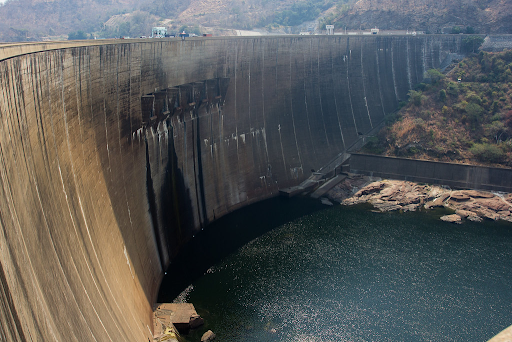
Zambia and several southern African nations have continued to battle an ongoing drought that, since September, has disrupted access to electricity for Zambia’s 20 million people, according to reports by Euronews and VOA News.
Disruptions in rainfall due to the naturally-occuring El-Nino weather pattern are the primary cause of the drought, writes BBC. However, per Euronews, global warming has exacerbated this phenomenon, leaving southern Africa to deal with its worst drought in decades.
Zambia declared a national disaster in February 2024, and five southern African nations followed suit, Africa News and the UN report. Since then, according to Reuters, the drought has impacted at least 68 million people across the region. In particular, per UN reports, much of Zambia has been suffering extremely dry weather conditions, according to a report from the UN Office for the Coordination of Humanitarian Affairs. So far, the drought has led to crop failures, deaths of livestock, and food and water insecurity.
Now, Zambians face another challenge. The Kariba Dam—which sits on the Zambezi River and is, according to Euronews, the most crucial source of the country’s hydroelectric power—can no longer run properly. An insufficient water supply to run the turbines means that the dam generates only 10 percent of its normal output. Less than half Zambia’s population of 20 million received electricity even with full operation of the Kariba Dam. As a result of the drought, those who did now face constant blackouts that can last for days, reports the Associated Press.
According to the African Development Bank, Zambia is still recovering from the economic impacts of the COVID-19 pandemic and soaring food and energy prices resulting from the Russia-Ukraine war, and the power shortages only create deeper economic troubles. Businesses must use generators to continue running operations, per Euronews, while the government is importing more electricity from neighboring countries to preserve its critical mining industry, BBC reports. Moreover, the prolongation of the drought threatens to reinforce poverty and blunt economic progress, projects the Associated Press.
The country’s overreliance on hydropower bears significant consequences. Hydropower generates more than 80 percent of Zambia’s electricity, whereas coal contributes to only 13 percent and other sources, such as diesel and solar power, account for just 3 percent of the electricity reaching people’s homes, BBC found. Because hydroelectric power is dependent on a sufficient source of water, energy experts like the International Energy Agency are raising questions about whether it is sustainable given the volatility of weather patterns and the ever-the-more visible environmental problems seen today.
The drought in Zambia exemplifies how Africa at large is especially vulnerable to the effects of climate change. The Associated Press points out that countries have limited resources to incorporate new technology like solar power and limited means to protect against disasters. The African Development Bank Group called climate change the “single biggest threat to development” in the continent.