
Shortcomings at COP30 Leaves African Countries on their own in the Fight Against Climate Change
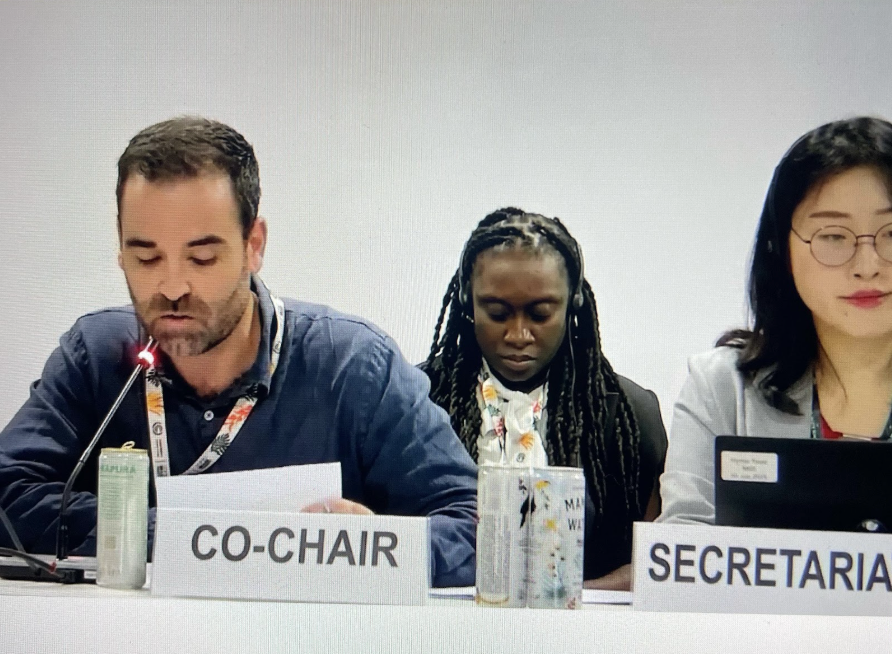
Thousands of delegates united at COP30 in hopes of outlining a plan of action for mitigating climate change and reducing emissions (Sameera Savarala)
Developing nations, including many in Africa, had high hopes for COP30. However, with a weak deal reached, the burden for the energy transition remains on the most vulnerable.
The COP30 on November 22, 2025 in Brazil was the 30th meeting of the countries who signed the UN Framework Convention on Climate Change (UNFCCC), a climate agreement. This year, the goal of the talks was to create a deal with an actionable roadmap to curbing emissions and transitioning to clean energy. With more than 145 items on the agenda, everything from the Tropical Forest Forever Fund (TFFF), which would finance countries with large areas of forest cover/carbon sinks, to new carbon emission pledges was on the table.
With global warming, heat-related deaths have increased by 68 percent. Countries in Africa are disproportionately affected, both because of geographic location and lack of adequate infrastructure to respond to climate threats. Experts predict that over 118 million people will be affected by 2030, and the continent as a whole can expect a 5 percent hit to GDP as a result. Already, countries in sub-Saharan Africa have resorted to culling wildlife to combat drought-related famine.
Despite Africa being one of the worst hit regions, it contributes relatively little to climate change. The continent contributes only 4 percent of global emissions and actually contains 20 percent of the world’s carbon sinks. Even so, only 3 percent of all climate funding goes to Africa, much of which is in the forms of loans, not grants.
Refusing to back down, African countries united with a new climate vision during Africa Day at COP30. Holding over 30 percent of critical minerals, Africa hopes to lead the new climate transition, and they outlined key areas of support from other countries: increased climate finance (including carbon markets), stronger climate commitments, the TFFF, technology transfer, and new partnerships with wealthier countries. Already, African countries have championed their own AFR100 reforestation funds, and the African Development Bank (AfDB) raised over $15 billion for climate action. However, the issue is still a lack of funds. Over $1.3 trillion would be required annually for African countries to adequately respond to the climate threat.
In a statement to The Caravel, Jacqueline Musiitwa, the Program Manager for the Board of Affairs of the Loss and Damage Fund (an entity of the UNFCCC) and a COP30 attendee said, “The African Group of Negotiators spoke with a unified voice. Backing Ethiopia to host COP32 was a big win for the continent.”
Unfortunately, COP30 failed to define a roadmap for executing climate commitments. The United States chose to boycott the conference entirely, leaving BRICS and petrostates, like Saudi Arabia, to sabotage any deal that would force them to cut emissions. As a result, the final deal doesn’t even mention fossil fuels. Initiatives like the TFFF also did not pass.
However, there were successes. For instance, promises to triple climate funding to developing countries went through, as did the Just Transition Mechanism, a program concerning the risk posed to indigenous and women. The Loss and Damage Fund, which reserves half of $250 million for developing countries that suffered climate destruction, also opened applications for funds, according to Musiitwa. And Brazil and 90 other countries also promised to pursue the TFFF and other initiatives outside of UN channels. “The commitment to triple adaptation finance (even if weak) is a big shift,” assured Musiitwa. Ultimately, though, bureaucratic and institutional sparring weakened the potential of COP30, which reaffirmed the threat of climate change without including any new actionable commitments that could curb the threat.
There is real potential for a clean energy transition. Currently, there are more jobs in renewable energy than in fossil fuels. Wind and solar have contributed over 90 percent of new energy additions, and climate funding has increased overall. Development banks like the AfDB and philanthropic organizations continually play a bigger role in climate adaptation and finance. However, until world leaders enforce climate policies that contribute widespread support, climate change will continue hurting the world’s most vulnerable.
Musiitwa reflected, “The UNFCCC negotiations process is a reflection of how each country has multiple domestic considerations and priorities, while also trying to balance regional and global priorities. Every year, we are reminded how hard it is to reach a global consensus. That said, every year, I am encouraged by the passion and dedication different countries, for instance island states, least developed countries, African countries, etc. make to ensure their voices are heard.”