
Lebanese Businessman Acquitted in Multibillion Corruption Case in Mozambique
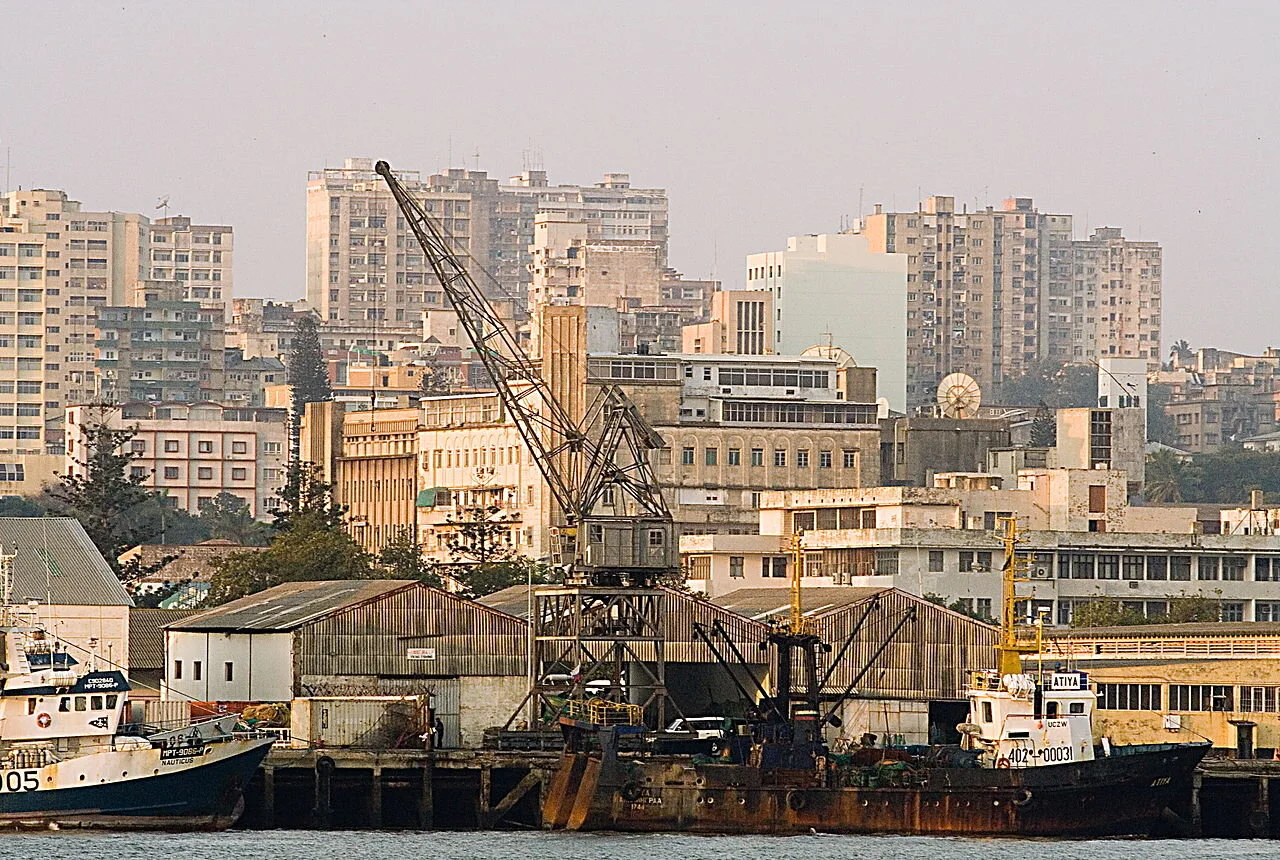
Foreign investors have contributed to the financing of infrastructure projects in Mozambique, such as building shipyards in Maputo, the country’s capital city. (Wikimedia Commons)
Lebanese Businessman Jean Boustani was acquitted of bribery charges on December 2 in the wake of Mozambique’s massive fraud-induced financial crisis. Boutsani implicated Mozambique’s president, Felipe Nyusi, during his trial in New York.
Boustani is a Lebanese salesman for shipbuilder Privinvest Group. He was charged with defrauding investors with $2 billion worth of Mozambican government-backed loans made by Credit Suisse and Russian bank VTB. The fraudulent earnings were allegedly used to fund maritime projects, including shipyards, tuna fishing, and coastal surveillance.
Prosecutors alleged that Boustani diverted $200 million to bribe both Credit Suisse bankers and Mozambican government officials to ensure the plans went forward. While Boustani admitted to bribing government officials, he denied bribing any investors.
Three former bankers from Credit Suisse pleaded guilty in the case, admitting that they accepted millions of dollars in kickbacks to make sure the loans went through successfully. Although Boustani was not directly charged with bribery, an alleged Foreign Corrupt Practices Act violation led to accusations of money-laundering.
Boustani was arrested while en route to the Dominican Republic and has been detained in the U.S. since. Jurors claimed that the not guilty verdict was largely due to the location of the trial, as they did not believe it was the place of a U.S. federal court to judge Boustani, who had never been to the U.S. until his arrest. An unnamed juror said, "We couldn't find any evidence of a tie to the Eastern District [of New York]. That's why we acquitted."
Boustani was tried in the U.S. federal court system because he received payments through a series of wire transfers, many of which were paid through a bank account in New York.
The verdict is being characterized as indicative of the U.S.’s inability to root-out foreign corruption. Boustani’s defense centered their argument on the Department of Justice’s lack of a basis to hold the trial in the U.S., saying that the U.S. is “not the world’s policeman.”
Boustani’s defense also stated that any investor should know in advance that Mozambique is a corrupt country, and as such, corruption is part of the risk any investor accepts as a given. When Boustani’s company, Privinvest, delivered products whose value were not commensurate with their price, the company defaulted on many of its loans. Mozambique has since defaulted on its sovereign debt and remains one of the world’s most indebted countries.