
Japan Raises Sales Tax
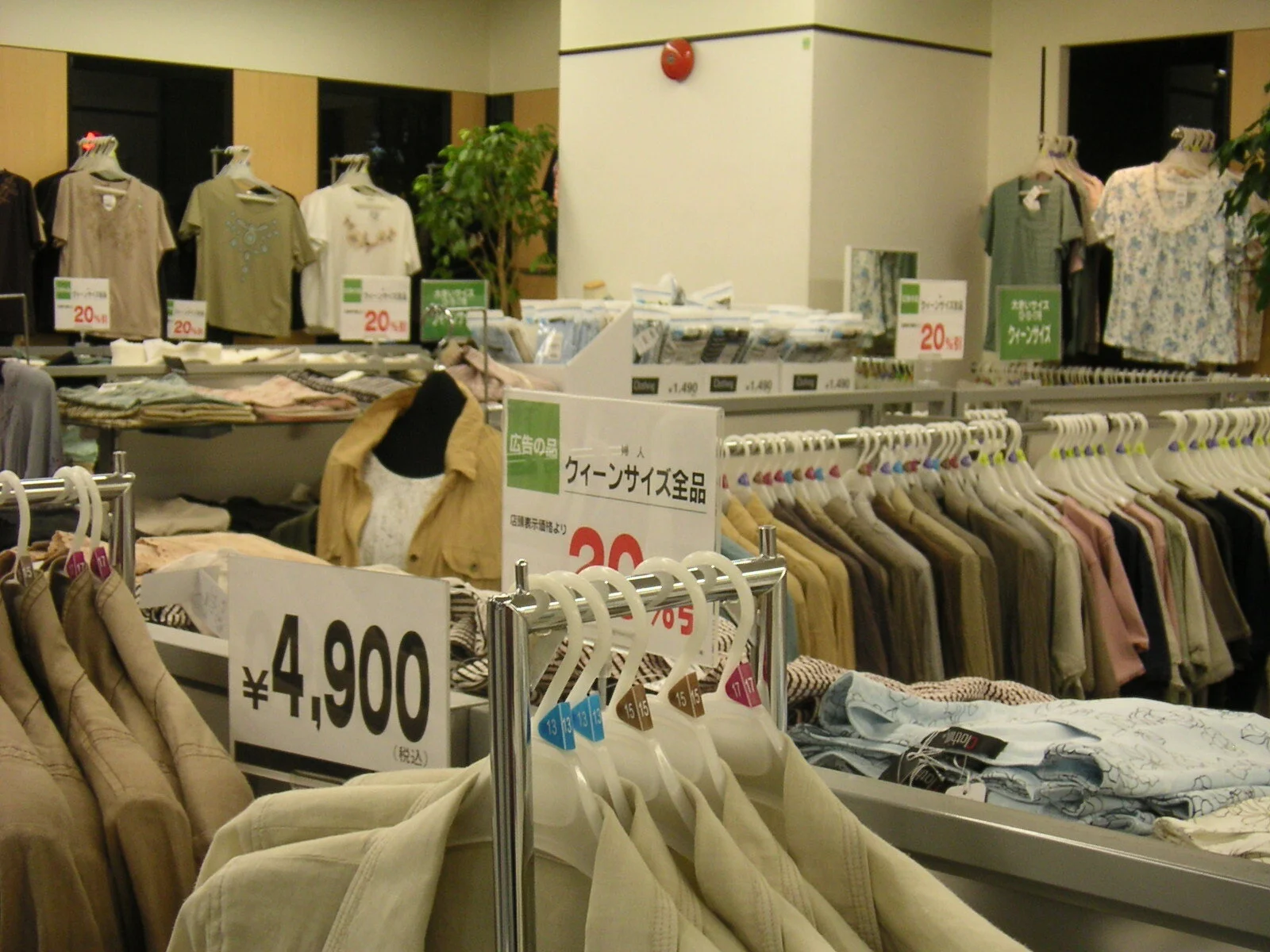
Japan’s government raises the national sales tax on many goods to ten percent on October 1. (Flickr)
The Japanese government raised its national sales tax on many goods and services from eight percent to ten percent on October 1. The higher tax covers anything from clothes, electronics, and transportation to medical fees.
The government ensured that several measures were put in place to combat the effects of the tax’s sudden increase. It implemented tax breaks for car and home buyers and created a reward system for cashless payments at many stores, including small- and medium-sized restaurants. The new measures keep the tax on most foods and beverages at eight percent for low-income families, as well as offering free preschool for large families. Low-income families can also buy governmental vouchers for ¥20,000 ($186), which they can then use to buy items costing up to ¥25,000 ($233).
However, the recipients of these tax breaks view them as insufficient compensation for the higher cost of living that will result from the ten-percent tax hike. Aside from groceries, low-income families still face the brunt of the increased sales tax when purchasing other basic necessities, such as toilet paper and detergent. As for vouchers, a majority say they do not have the budget to purchase them in the first place and would prefer that the government distribute benefit money directly.
Concerned about a repeat of the recessions that followed both the 1997 and 2014 increase in the national sales tax, Japanese Prime Minister Shinzo Abe has delayed the new sales tax twice. After fully implementing the ten-percent tax, Abe reassured the public and promised to take “all possible steps flexibly and without hesitation” to prevent another recession and instead encourage the growth of Japan’s economy. The Japanese central bank corroborates this statement with its readiness to use monetary policy as stimulus for the economy as early as the end of October.
Japan’s decision to repeatedly raise the sales tax coincides with decades of economic decline. Although it is the world’s third-largest economy, the island country struggles with an aging and shrinking population, as well as decades of fiscal deficit spending that amounts to a daunting $10 trillion national debt, more than twice the size of its economy. Buckling under pressure from recent escalations of the U.S.-China trade war, Japan’s industrial output also suffered a 1.2 percent contraction in August. Another trade rift between Japan and South Korea saw large-scale boycotting of each other’s products and a plunge in Japanese car and beer exports. The major Japanese automakers Toyota, Honda, and Nissan collectively reported a 74 percent drop in September’s total sales compared to 2018.
For Tadashi Inomata, a lawyer at fair tax advocacy group Tax Justice, the government’s decision to raise the sales tax represents an aim that deviates from bettering the economy as a whole. He says, “Japan has given preferential treatment to the strong by lowering the maximum rate of income tax and corporate tax, and it has raised the consumption tax to make up for the loss… This is not acceptable to the people.”