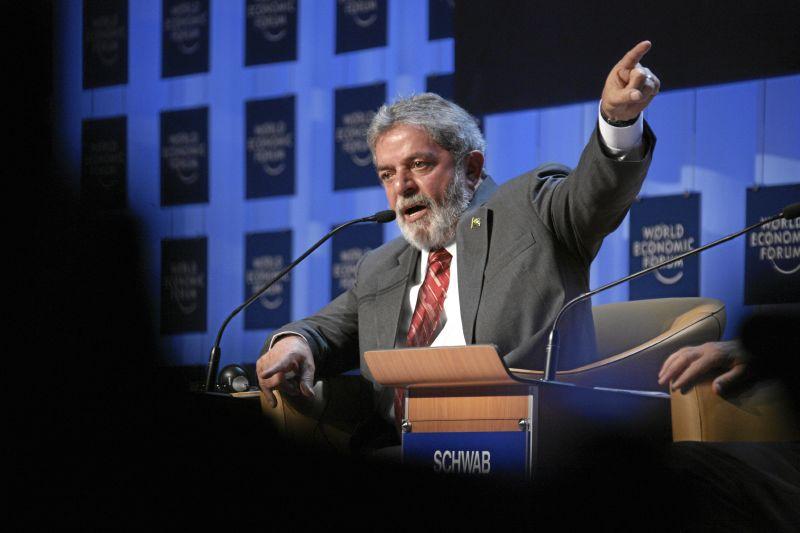
After trailing in the first-round vote, Luiz Inacio Lula da Silva has won a Brazilian reelection, securing a record fourth democratically elected presidential term. Lula won with 51.8 percent of the vote to right-wing candidate Flavio Bolsonaro’s 48.2 percent.
After the initial vote put Bolsonaro ahead by almost 2%, Lula worked to garner more participation and support from Brazilian youth. Through a heightened social media campaign and widespread street demonstrations, he managed to, as Magna Inacio, a professor at La Universidad Federal De Minas Gerais, put it, “mobilize young voters who had been showing certain apathy.” He also boosted and expedited transfers from Bolsa Família, his social program for low-income families, while pushing for gas subsidies to match rising petrol prices. The presidential debate also played an important role in Lula’s comeback. Although analysts agree that neither candidate emerged clearly triumphant, Lula was praised for his relative emotional composure compared to Bolsonaro.
Lula has been applauded by international leaders, many of whom celebrate it as a historic win and an upholding of democracy. Mexican President Claudia Sheinbaum said in an X post, “The people of Brazil won.” Peru’s right-wing President Keiko Fujimori deemed it Brazil’s “democratic day.” The president of the European Commission echoed this sentiment, declaring that “democracy and multilateralism” had won.
Meanwhile, Flavio Bolsonaro has yet to accept the election results. Within days of Lula’s win, Bolsonaro denied the loss, refused a Supreme Court order to surrender his passports, and fled Brazil. Bolsonaro bases his criticisms on a judicial decision that extended the voting time by two hours, which both candidates’ campaigns had previously requested. Kassio Nunes, the president of Brazil’s Superior Electoral Court, denies any alteration of the results and confirms that Lula’s win is legitimate.
Bolsonaro fled Brazil through Argentina, then flew to Ecuador, another country led by a right-leaning administration, and finally landed in Miami on October 28. He told The New York Times, “it was all me,” when asked about any aiding governments and promised he would “take to the grave” how he made it to the States.
He currently faces federal investigations for money laundering and corruption in his home country, where he will lose parliamentary immunity at the end of his term in early 2027. His father and former president of Brazil, Jair Bolsonaro, now serves a 27-year sentence for charges of armed criminal conspiracy, attempted abolition of the democratic rule of law, destruction of public property, and attempted coup d’etat after Lula’s prior electoral victory. Flavio Bolsonaro’s brother, Eduardo, also lives in exile in the United States and would serve a four-year sentence for coercion if he returned to Brazil.
For now, Bolsoransimo, Brazil’s newer right-wing movement named for its founding family, remains “mortally wounded because of its mistakes and its crimes,” local political scientist Sergio Abranches told Brazilian newspaper O Globo. Flavio Bolsonaro seems optimistic about running in future elections, but says he will stay in the United States for the time being.
On the part of the reelected president, Lula faces an uphill battle. With a divided electorate and parliament packed with Bolsonaristas, surrounded by countries governed by right-leaning administrations that seek closer ties with Washington, he has promised to “listen most to the Brazilian people” and “will not accept being anyone's backyard.”