For decades, Cuba has lived under heavy U.S. sanctions and tariffs that have strained its economy and the welfare of its people. That pressure has intensified since President Trump returned to office and doubled down on a “maximum pressure” campaign against the island, according to Steptoe.
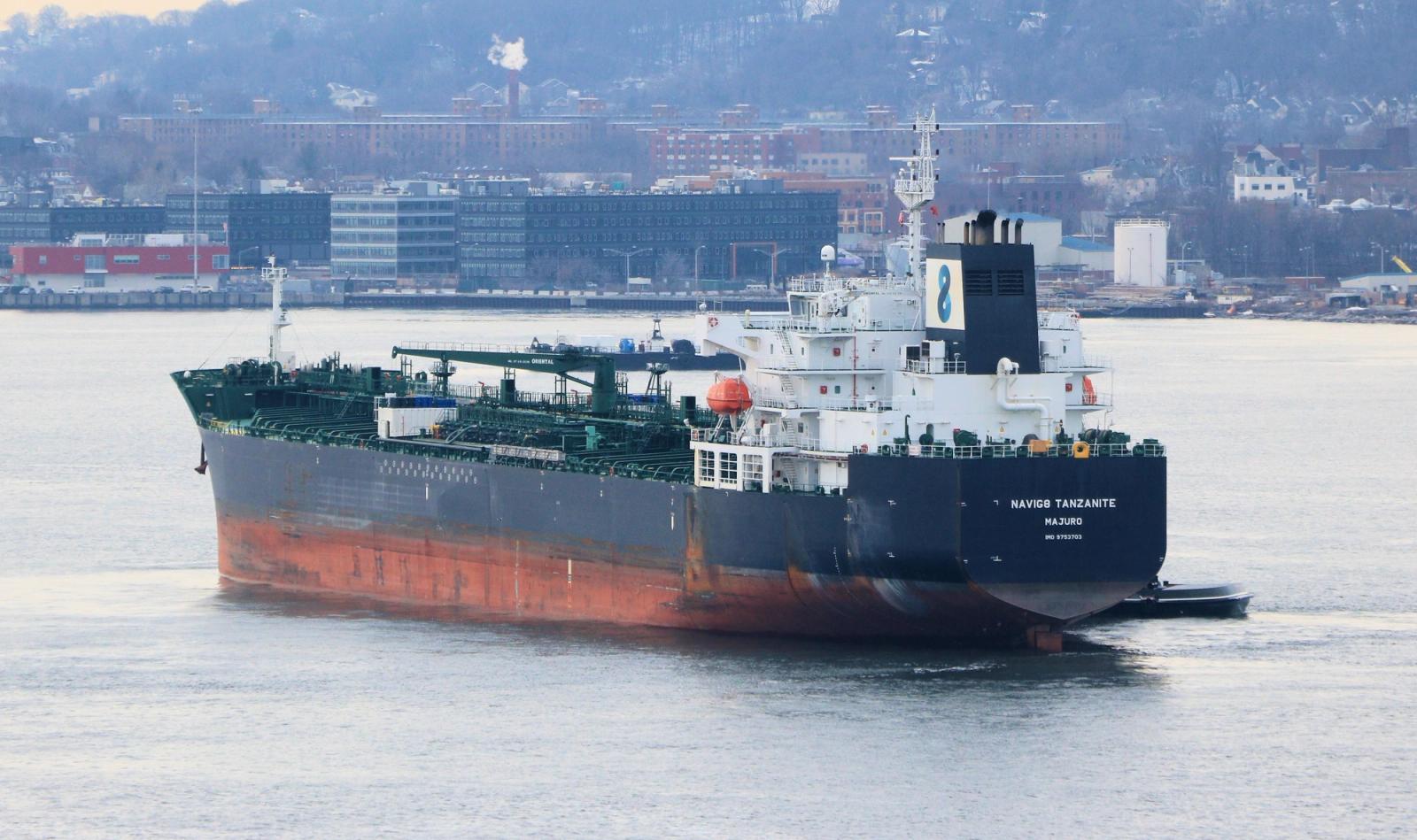
The newest measures began in January, when the administration moved to choke off Cuba’s fuel supply by threatening tariffs on countries that sell oil to the island. Additional sanctions followed. On May 1, the U.S. expanded its sanctions framework and added secondary sanctions on non-U.S. persons, including foreign banks. On June 11, it sanctioned Cuba’s state oil company, and on July 23, it sanctioned entities tied to the energy sector. Most recently, on September 17, the U.S. passed another round of sanctions on Cuban entities and officials, including businesses supporting the country’s nickel industry and organizations tied to military research, according to RealClearWorld.
These measures reflect President Trump's stated goal of “freeing” the island from its current government, according to Al Jazeera. Speaking at the Shield of Americas summit in September, Trump said, “As we achieve a historic transformation in Venezuela, we're also looking forward to the great change that will soon be coming to Cuba,” according to ABC7. He continued: “Cuba's at the end of the line. They're very much at the end of the line. They have no money. They have no oil. They have a bad philosophy. They have a bad regime that's been bad for a long time.”
Despite this pressure, Cuban officials insist the government will not yield. Cuba’s foreign minister said in September that no negotiations are under way, according to Al Jazeera. Deputy Foreign Minister Fernández de Cossio went further, saying that punishing nations that refuse to “submit” by disrupting their commercial shipments, withholding fuel, and depriving a population of stable healthcare, as the U.S. has “done for nine months now,” is “equivalent to a genocide.”
The U.S. tells a different story. In April, American officials laid out conditions for continued talks, including releasing political prisoners, ending political repression, and liberalizing the economy. Reported proposals also included allowing Starlink and compensating Americans for property confiscated after 1959, according to Al Jazeera. In September, Trump told the UN that Secretary of State Marco Rubio is carrying out negotiations, a claim Cuba rejected. Cuba's embassy chargé d’affaires in Washington described meetings, calls, and WhatsApp messages as “channels of communication,” not formal talks. Trump has also said the U.S. may not need military force: “I don't think we’ll need the military. Cuba is failing very badly,” according to NBC6.
What does this mean for the Cubans living on the island? UN Human Rights Council experts reported in August that the fuel restrictions have caused a humanitarian crisis affecting water supplies, irrigation, health services, and trash collection, according to LA Progressive. Cuba says the embargo cost its economy $8 billion between March 2025 and February 2026. The blackouts have also worsened. Estimates of national grid collapses this year range from six to eight, including the September 18 collapse that left millions without power.