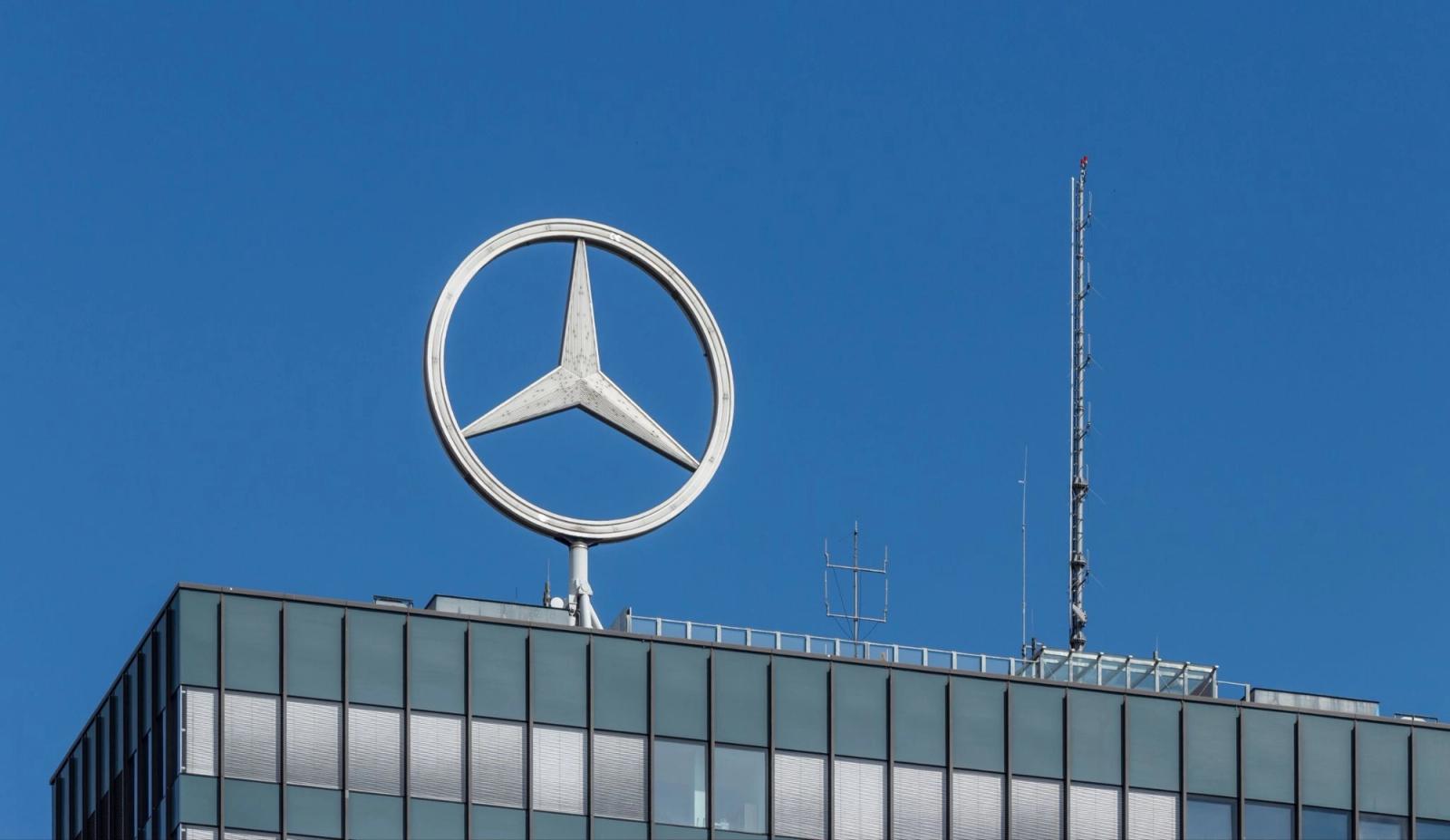
Mercedes-Benz announced a halt to all further investment at its German sites on November 12 and admitted that it is mulling over plant closures in Germany, according to Deutsche Welle. This decision is just the latest in a series of job cuts and plant closures plaguing German automakers, who find themselves at a crisis point amidst falling demand. The crisis stems from a number of factors, including competition from Chinese automakers in Europe, falling demand for German vehicles in China, U.S. tariffs, and lower-than-expected demand for electric vehicles.
Volkswagen Group, which owns Audi, Porsche, and Volkswagen, and is Europe’s largest carmaker, has been hit the hardest, Deutsche Welle reports. VW Group plans to cut 100,000 jobs, or about 15 percent of its worldwide workforce, by the end of the decade. This is double the number of jobs General Motors cut following its bankruptcy during the 2008 Global Financial Crisis, and amounts to the largest restructuring in global automaking history. VW Group is also considering shuttering four German plants, something the automaker has never done in its almost 100-year history. These plants drive the economies of their respective German regions, so their closure would lead to widespread fallout.
These job cuts have precipitated sharp conflict with management and trade unions representing VW Group’s workers. While these unions initially agreed to the job cuts, VW Group's further announcements suspending planned investments in development in Germany have led remaining workers to fear their jobs are also at risk, Reuters reports. Unions are considering organizing strikes as soon as January 1 in response.
However, German automakers claim maintaining German plants amid the drop in demand is impossible because of high costs. For example, Michael Schiebe, Mercedes’ chief production officer, claimed that administrative and labor costs are five times higher at German plants than at plants in Eastern Europe.
BMW has taken a slightly different approach, focusing job cuts entirely on administrative and managerial roles, while maintaining its manufacturing workforce at current levels, according to AutoNext. The company planned to cut 8,000 jobs, or roughly 5% of its workforce, by the end of 2027 through voluntary severance packages. Stronger-than-expected employee demand for the severance program, fueled by generous payments, led BMW to close it mere months after it began, according to BMW Blog.
These layoffs and falling global demand for German vehicles call into question Germany’s and the European Union’s economic future. Discontent with poor economic performance has led to mass protests across the European Union, especially in France. Economic stagnation also threatens European countries’ world-renowned welfare programs amidst a shrinking tax base. However, adaptation and restructuring are necessary for German automakers to compete with newer Chinese rivals.