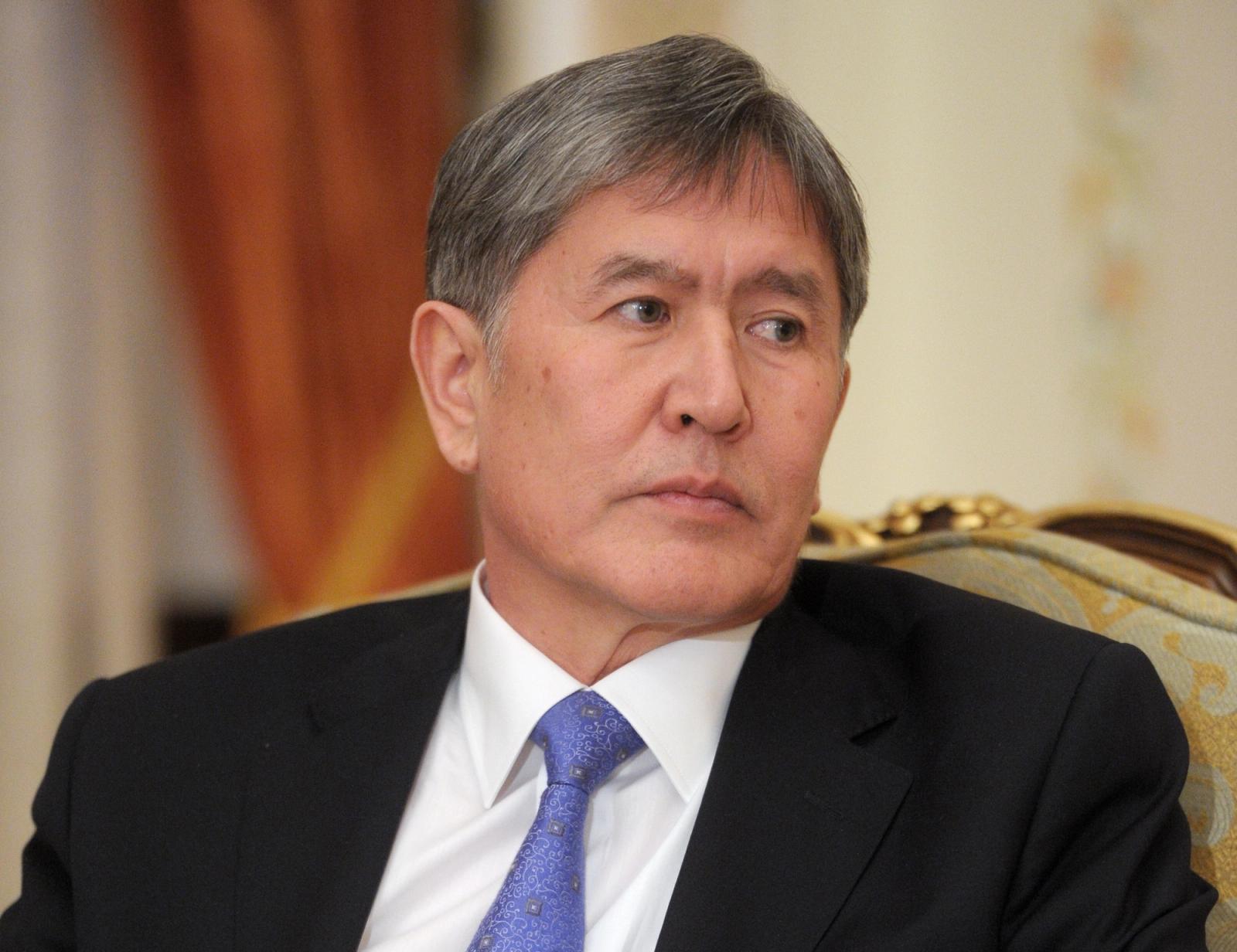
The Permovaisky district court of Bishkek, per 1News, sentenced Kadyr Atambayev, son of former Kyrgyz president, to four years in prison on October 8 for planning a coup against the Kyrgyz government. Both Atambayev and Termilan Sultanbekov, whom the court, per the Times of Central Asia, convicted of the same crime that day, were leading members of Kyrgyzstan’s Social Democrats, part of the opposition to current president Sadyr Japarov’s Mekenchil, or “Patriot” party.
Kadyr’s father, Almazbek Atambayev, per 112 Ukraine, founded the Social Democratic Party of Kyrgyzstan and was president from 2011 to 2017; however, the government’s special forces, per Al Jazeera, arrested him in 2019 and rearrested him in 2020 on charges of corruption. By 2021, per The Diplomat, the party had lost much of its popularity among voters, winning only one seat in parliament in that year’s elections with Kadyr Atambayev as the lead candidate.
The recent verdict represents a pattern of legal attacks levied at the Social Democrats that contribute to their waning influence. In 2024, per Radio Free Europe, investigators questioned Atambayev, Sultanbekov, and other party members for allegedly buying votes. This, per EconomistKG, disqualified the Social Democrats from running in Bishkek City Council elections and later pronounced some of them guilty, per EADaily.
Authorities detained Atambayev in May of 2025 when it became clear that he intended to fly to Istanbul, per 24KG, apprehending him again in November of the same year: this time along with Sultanbekov. |||||front page break||||||| The Permovaisky district court started the case’s hearings in July and announced their prolonged detention in August. With Kyrgyzstan’s next presidential election set to happen in January of 2027, the conviction benefits incumbent president Japarov’s intent to seek a second term in office.
Throughout Japarov’s term, similar repression of opposition became increasingly prominent, per IPHR. The administration jailed journalists and activists on charges of inciting violence and inter-ethnic hatred, while labelling news platforms Kloop and Temirov Live as extremist and banning them. New policies, such as the liquidation of the National Center for the Prevention of Torture, a ban on protesting in parts of Bishkek, and a requirement for news sources to register with the state, added to Kyrgyzstan’s growing limitations on civil rights. This trend, per the FPRI, follows Japarov’s consolidation of power after a 2021 referendum approved a new constitution that redistributed most of the government’s abilities to the executive branch.
The controversial policies were put into place under the guidance of Kamchybek Tashiev, head of the State Committee of National Security (SCNS); however, Japarov dismissed him in February over allegations of a brewing coup. His discharge followed perceived supporters of his calling for a Supreme Court ruling on the constitutionality of Japarov serving a second term. After his departure, Japarov issued reforms to the SCNS, with his press secretary announcing a possible reconsideration of policies towards activists and journalists, which could quell the previous democratic backsliding. Still, Kadyr Atambayev’s conviction raises concerns about the possibility of this hope, and Kyrgyzstan’s democratic future remains uncertain.