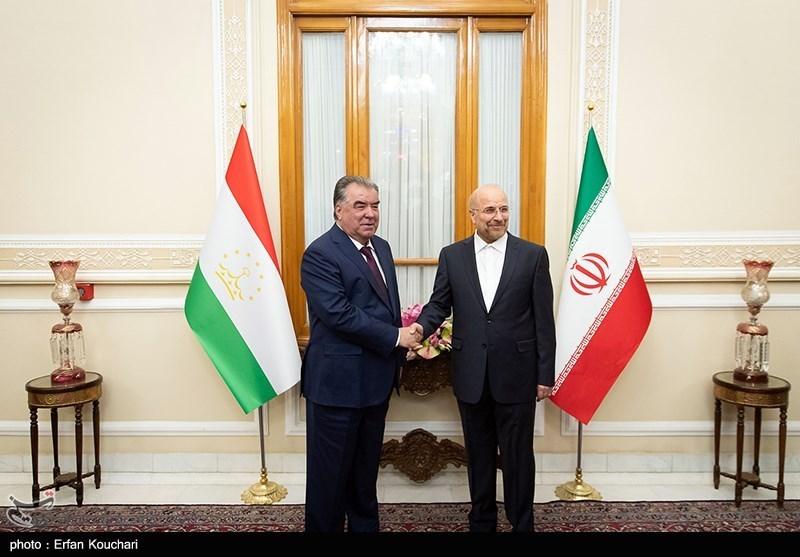
As part of an initiative to reduce reliance on Russian fuel, Tajikistan plans to import Iranian oil through trade agreements finalized in August, per Oil Price. While Tajik officials hope to eventually receive up to 2.55 million tons annually, the current amount of deliveries between the two countries remains undisclosed.
Though over 90% of Tajikistan’s imports of petroleum products in the first half of 2026 came from Russia, per Asia-Plus, the future of these transactions remains uncertain. On September 23, Moscow extended a ban on the export of diesel and other forms of fuel through the end of October, per OilPrice.com. This recent extension follows a continued domestic fuel crisis due to Ukrainian attacks on Russian refineries, which prompted a state of emergency in occupied Crimea and fuel rationing across the country, per Al Jazeera.
Tajikistan previously attempted to mitigate dependence on Russian oil by searching for fossil fuel deposits within its territory; throughout the late 2000s and the 2010s, Canadian, French, and Russian companies explored and drilled wells in the Southwest portion of the nation, per The Times of Central Asia. However, because those companies either suspended or sold their half-finished projects, only the China National Petroleum Corporation conducts oil and gas exploration in the region. While oil fields have been found, many are situated too deep underground or are too small to be profitable for bigger corporations, per The Times of Central Asia.
Due to the lack of alternatives to Russian energy, “Tajikistan has the fewest buffers against supply disruptions” of fuel among Central Asian countries, according to the Jamestown Foundation. Iran offers a necessary stopgap, yet the two nations’ relations have a tumultuous past, per The Diplomat. In 2015, Iran accepted exiled Tajik leader Muhiddin Kabiri into the country. Two years later, Tajikistan accused Tehran of involvement in political killings related to its civil war that stretched from 1992 to 1997. Tensions have since thawed, with the two countries allowing visa-free travel as of October 5, per The Times of Central Asia.
Still, cooperation remains difficult due to the lack of a shared border. Transporting 2.55 million tons of oil and petroleum requires 51,000 tank cars, which would need to cross foreign territory, per Asia-Plus.
U.S. sanctions could also become an issue for Tajikistan: in August, the Treasury Department warned of secondary sanctions on importers of Iranian oil, per OilPrice.com. Though Iran’s ties to Tajikistan are much weaker than its ties to Russia or China, U.S. officials could still respond to the expanding trade with increased pressure.
Tajikistan is not the only Central Asian country looking to Iran as Russian fuel becomes less reliable. Kyrgyzstan recently tried to diversify its oil supply, entered talks with Tajikistan on building a joint refinery for Iranian oil, and began to import fuel from Belarus, China, Uzbekistan, and Kazakhstan, per East Asia Forum. Other nations in the region, like Kazakhstan and Uzbekistan, have also enacted policy changes such as limiting oil exports or seeking new trade agreements, despite having a more reliable domestic supply, per the Jamestown Foundation. Dependence on Russian oil is unlikely to go away anytime soon in Tajikistan. Still, its search for alternative sources reflects a broader trend of Central Asian governments diversifying away from Russia through multilateral trade agreements.