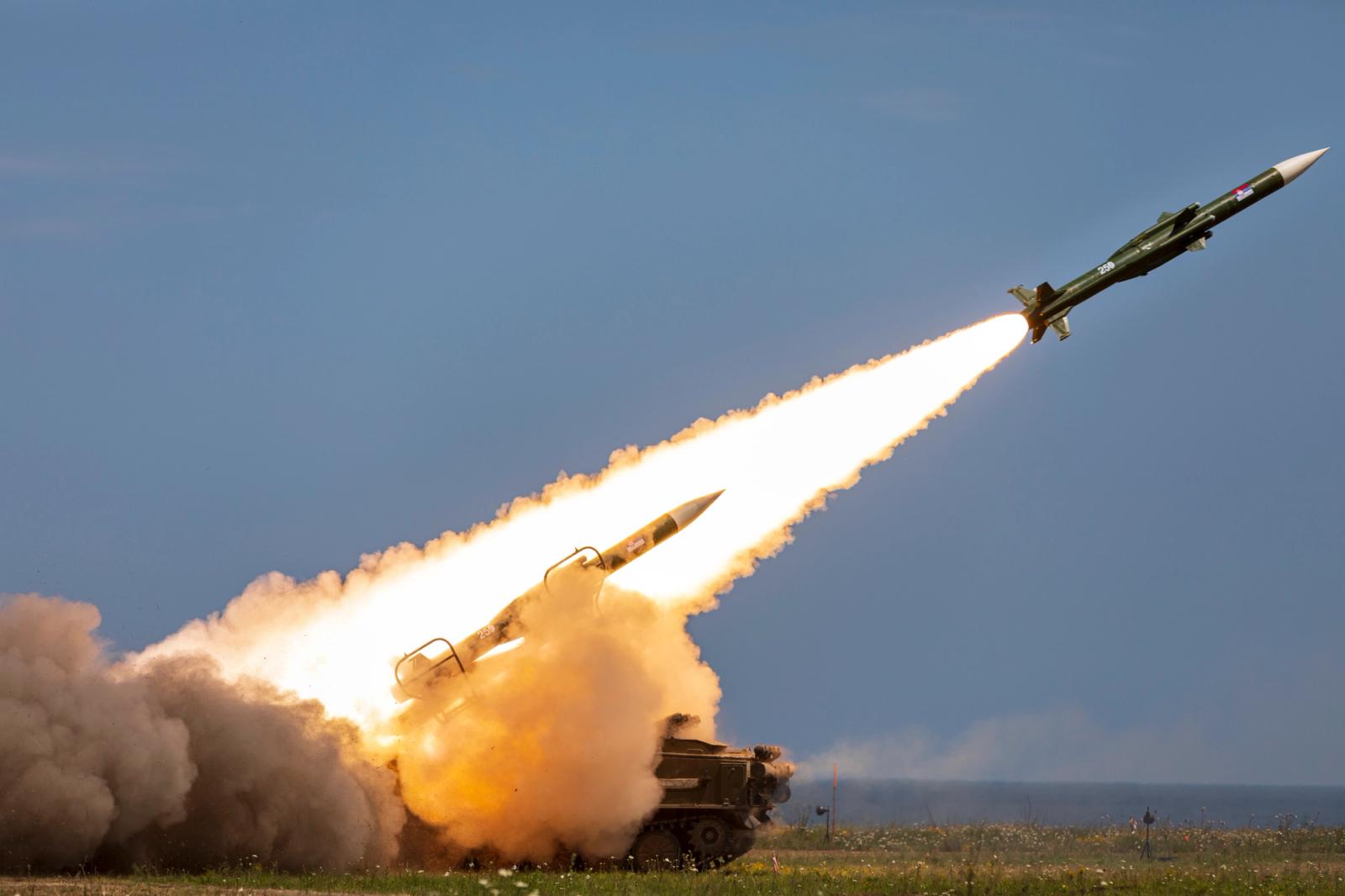
Indian Defense Secretary Rajesh Kumar Singh recently revealed that Turkmenistan and Tajikistan have purchased India’s homegrown Akash missile systems, per The Times of Central Asia. The acquisitions signal a subtle regional diversification away from dependence on Russian military platforms, and a growing Indian defense presence in Central Asia.
Tajikistan has maintained strong trade relations with Russia since the 1991 dissolution of the Soviet Union—according to The Times of Central Asia, Russia remains Dushanbe’s second-largest trading partner behind China. In addition, Tajikistan is a member of CSTO, Russia’s intergovernmental military alliance. With Russia supplying roughly 90% of Tajikistan’s weapons, as reported by Dengi.ua, the Indian Akash missile system serves as an alternative to Russian defense. On the other hand, per Euronews, Turkmenistan has maintained a steady course following its policy of strict neutrality. The purchase of the Indian missile system serves as an extension of the general trend towards diversification.
As the Russo-Ukrainian War has forced Russia to look towards its own military needs, Defense News reports that there has been a gradual reduction in Russia’s ability to export air defense systems, a void India aims to fill.
India seeks to expand its economic and defense partnerships across the Central Asian region to curb a growing Chinese presence. Arms sales are crucial to ensuring the continued commitment of Central Asian states to depend on countries like India for support and training in connection with the Akash missile system.
Despite these advancements in relations, Russia still maintains enduring influence across the region. Historical ties, close relations with governing leaders, and economic interdependence remain a strong bulwark against growing Indian presence.