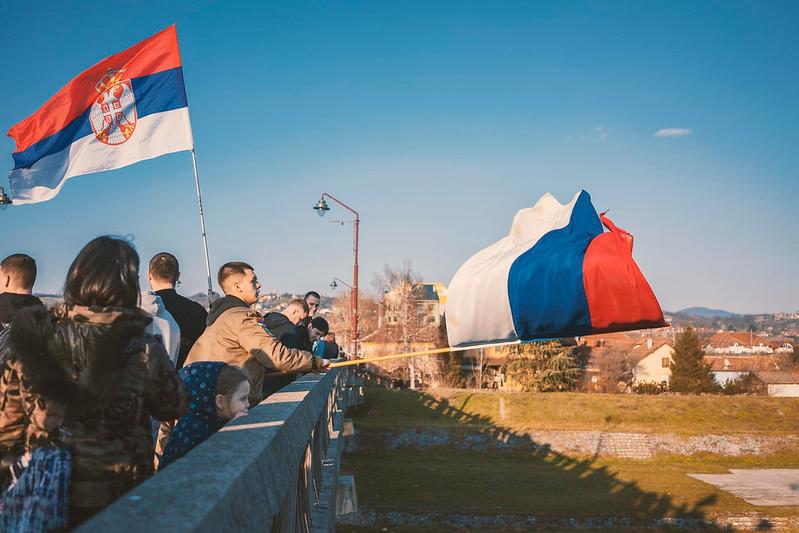
Serbians voted to end 14 years of rule by Aleksander Vučić’s Serbian Progressive Party on October 25, per CNN. Vučić, who had resigned as president weeks earlier in order to run for prime minister, conceded defeat the very same night.
The election followed in the wake of mass protests, following a railway station canopy collapse in November 2024 in Novi Sad, according to the BBC. The incident, which killed 16 people, fueled public anger over corruption and authoritarianism in Serbia. Two years of political protests followed, culminating in a turnout around 70 percent, according to CNN, a level not seen in Serbia since 2000.
It is through the EU lens that the result has drawn the most attention. Both Ursula von der Leyen and António Costa welcomed the outcome, with Enlargement Commissioner Marta Kos declaring, per EU Reporter, that the EU’s door remains open to Serbia. Still, Brussels’ reaction, in many ways, contradicts its dealings with Serbia over the past decade, according to the EPC. In the past, EU leaders have tended to favour transactional cooperation and stability in their dealings with Vučić, neglecting democratic backsliding and illiberalism.
It is also important to note that Serbia’s path towards the EU remains nebulous. As of 2024, support for EU membership sat at around 34 percent, the lowest among candidate countries, per the Carnegie Endowment for International Peace. In addition, Serbia has maintained steadfast support for Russia, and experts have been keen to point out that this will be unlikely to change, even with a Student List win.
Despite the opposition’s victory, Vučić’s influence remains deeply embedded in Serbia. Vučić’s building of control over the judiciary, media and economy, will prove to be a hurdle for the new government to overcome. Whether or not the new government delivers on reform, the election spotlights the costs of Brussel’s neglect of Serbia’s democratic erosion.