The Trump administration announced on November 2 that it will cut South Africa from the African Growth and Opportunity Act (AGOA), a 25-year-old program that grants eligible sub-Saharan countries duty-free access to American markets. US Trade Representative Jamieson Greer explained that South Africa will be removed on January 1, 2027, as a response to the nation no longer meeting AGOA’s eligibility criteria. Namely, he cited its lack of alignment with US foreign policy, worsening an already strained relationship between Washington and Pretoria. In July, Trump placed tariffs of 12.5% on certain South African goods for alleged involvement of forced child labor in production.
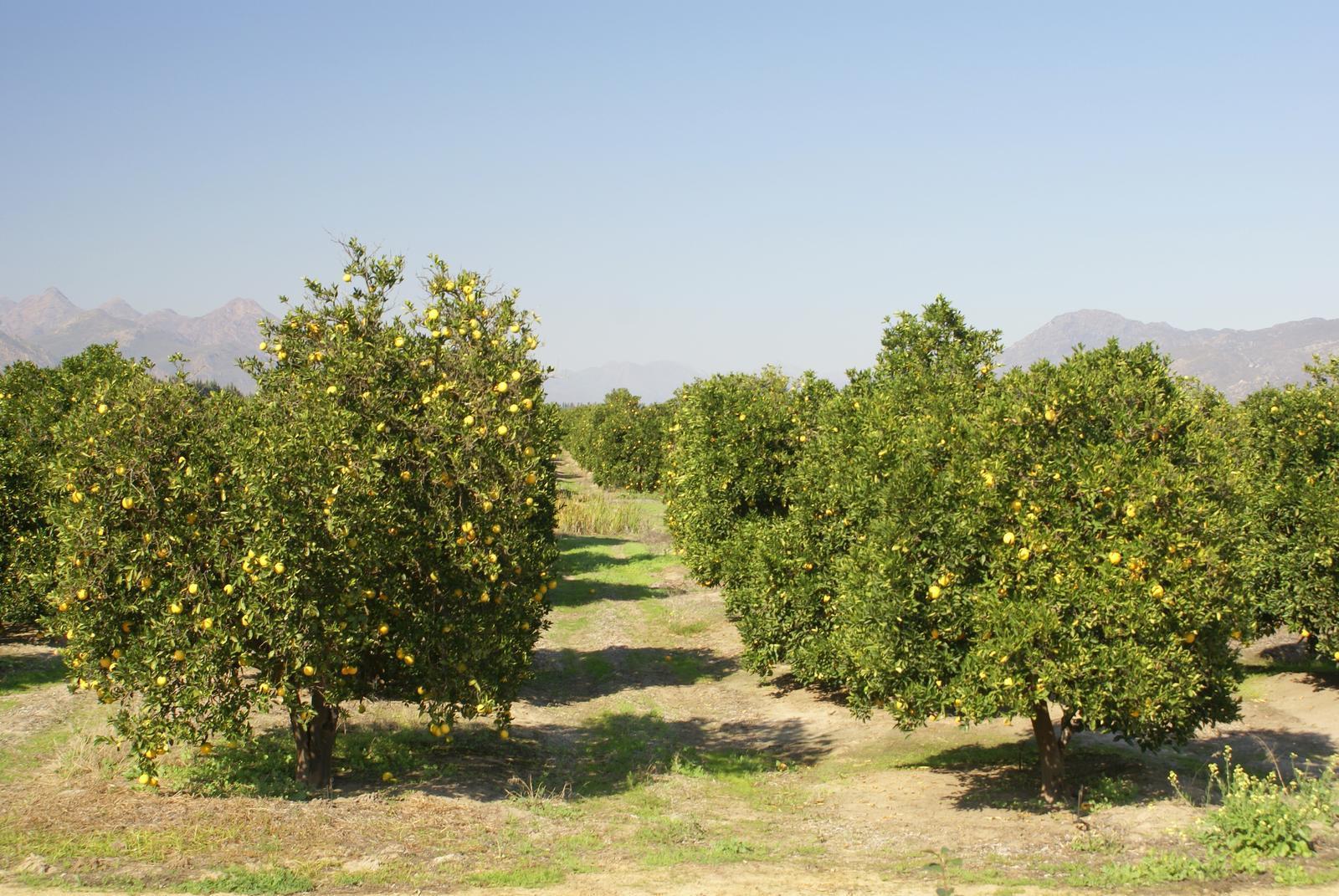
South Africa was AGOA’s biggest beneficiary in 2025, exporting approximately $1.5 billion of goods to the US under the program. Its removal will harm the many citrus growers, automakers, wine producers, and agricultural exporters reliant on and built around a quarter century of preferential access to American markets. At-risk industries will be subject to standard US import duties and could potentially shed up to 10,000 jobs.
Meanwhile, the US too stands to suffer from the change. South Africa serves as a major source of produce during the American off-season. Additionally, the Citrus Growers’ Association of Southern Africa notes that “Thousands of people in the US are employed in importing, handling, distribution, and retail because of South African citrus.”
The consequences will extend beyond the direct value of the exports themselves. Higher trade costs could reduce South African products’ competitiveness against international alternatives, forcing businesses to absorb additional expenses and, in turn, reducing their profit margins. The effects could have a ricochet effect on linked industries, including farmworkers, manufacturing employees, and transportation companies. South Africa’s director-general of Trade, Industry, and Competition argues that South Africa’s removal from the program would not only threaten domestic jobs, but also undermine a wider regional supply chain in which South Africa is deeply enmeshed.
Nevertheless, while the economic impacts may be substantial, they should also be considered in proportion. AGOA exports represented approximately 1% of South Africa’s total global exports. Thus, the loss of access is unlikely to destabilize the South African economy entirely, though its consequences will likely be concentrated in specific industries and communities that have relied on AGOA for decades. Following the US’s announcement, the South African government made a statement asserting the relative insignificance of AGOA and emphasizing the country’s exploration of other trading partners.
Alongside South Africa, Rwanda will also be removed from AGOA beginning on January 1st. Separately, AGOA is currently set to expire at the end of 2028, though it has been extended in the past.