One person died, one was injured, and four others were arrested during an armed confrontation between security forces and suspected illegal miners in Ghana’s Atewa Forest Reserve on November 2. The fight marks an escalation of Operation Green Shield, a special mission the government announced on October 22 to remove illegal miners from the forest reserve.
The confrontation took place after personnel from Ghana’s Army Special Operations Brigade (ASOB) traveled ten kilometers into the forest to investigate a suspected mining site that was identified through drone surveillance. Upon arriving, the team encountered around 50 suspected miners, some of whom attempted to flee. Others reportedly opened fire first on the security personnel, who then counterattacked. The four people arrested, including three Malian nationals and one Ghanaian, were handed over to the National Anti-Illegal Mining Operations Secretariat (NAIMOS).
The Minister for Lands and Natural Resources, Emmanuel Armah-Kofi Buah, has described illegal mining in the country’s forest reserves as a national emergency. He said on October 27 that approximately 8,900 hectares of forest had been destroyed and that 44 of the country’s 288 forest reserves had been affected.
NAIMOS Director of Operations Colonel Kwame Sam Appiah explained that Operation Green Shield would take place in three stages: clearing illegal mining sites, maintaining security in the affected areas, and eventually transferring responsibility for protecting the forest to the Forestry Commission. Appiah stated that specially trained staff would remain in the reserve until the initial clearing process was completed. The operation is intended to prevent miners from returning after security personnel leave the area.
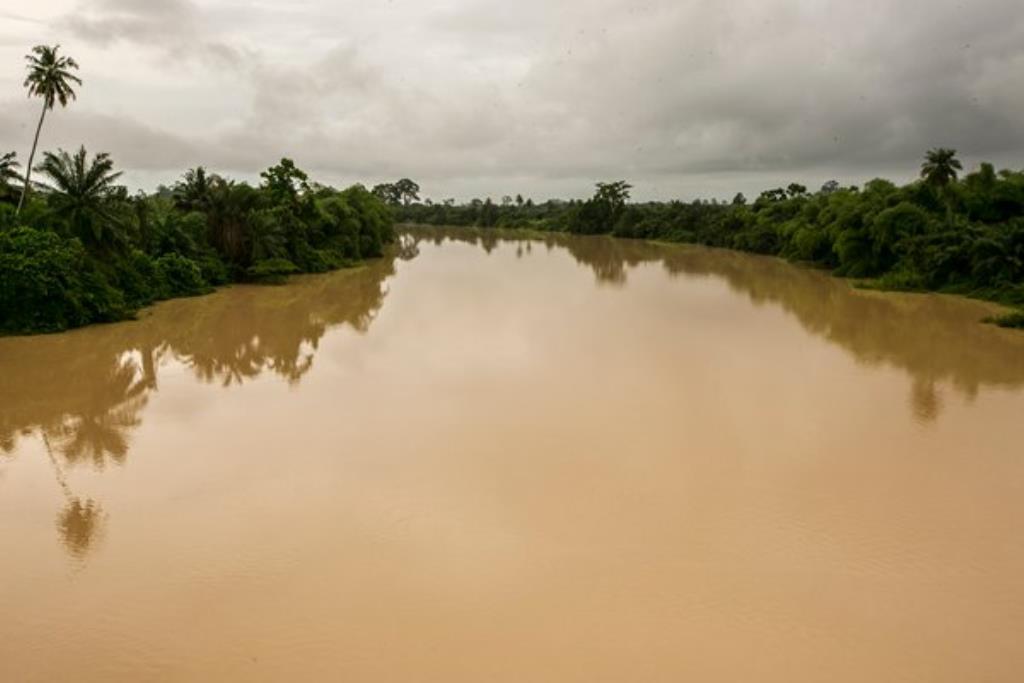
The recent operation follows growing concerns from local environmental groups about the damage illegal mining has caused to the forest’s water sources. 58 of the 62 streams so far identified in the Atewa landscape have reportedly been destroyed. Paul Asumaku, a member of the Concerned Citizens of the Atewa Landscape (CCAL), said the findings came from a mapping project conducted in collaboration with Ghana’s Water Resources Commission.
The forest is also the source of three major river systems in Ghana: the Birim, Densu, and Ayensu. Asumaku said that attention had largely focused on the condition of the major rivers, while smaller streams had received less public attention despite their importance to nearby residents.
Environmental organizations have also called for stronger legal protection of the forest. In September, A Rocha Ghana, CCAL, and Eco Conscious Citizens demanded that the Atewa Range Forest Reserve be upgraded to national park status. The groups also called for increased security and resources for the agencies responsible for protecting the area. A Rocha Ghana has warned that continued mining threatens the forest’s biodiversity and the water systems that originate there. The newly established Operation Green Shield is seeking to respond to these petitions.
The Forestry Commission has previously conducted operations in the reserve. In September, its Rapid Response Unit arrested twelve people suspected of illegal mining near the Sagyimase community. Authorities said the raid also resulted in the seizure of five motorbikes, shovels, water hoses, and other equipment used to wash gold. However, the latest confrontation is the first reported fatal exchange of gunfire during Operation Green Shield.