Serbia’s opposition ousted longtime leader Aleksandar Vucic and his Serbian Progressive Party in an October 25 vote. The opposition Student List won 140 seats with over 53 percent of the vote to the ruling party’s 103 seats, heralding a new era for a nation whose governance under Vucic had been marred by allegations of corruption and rising authoritarianism.
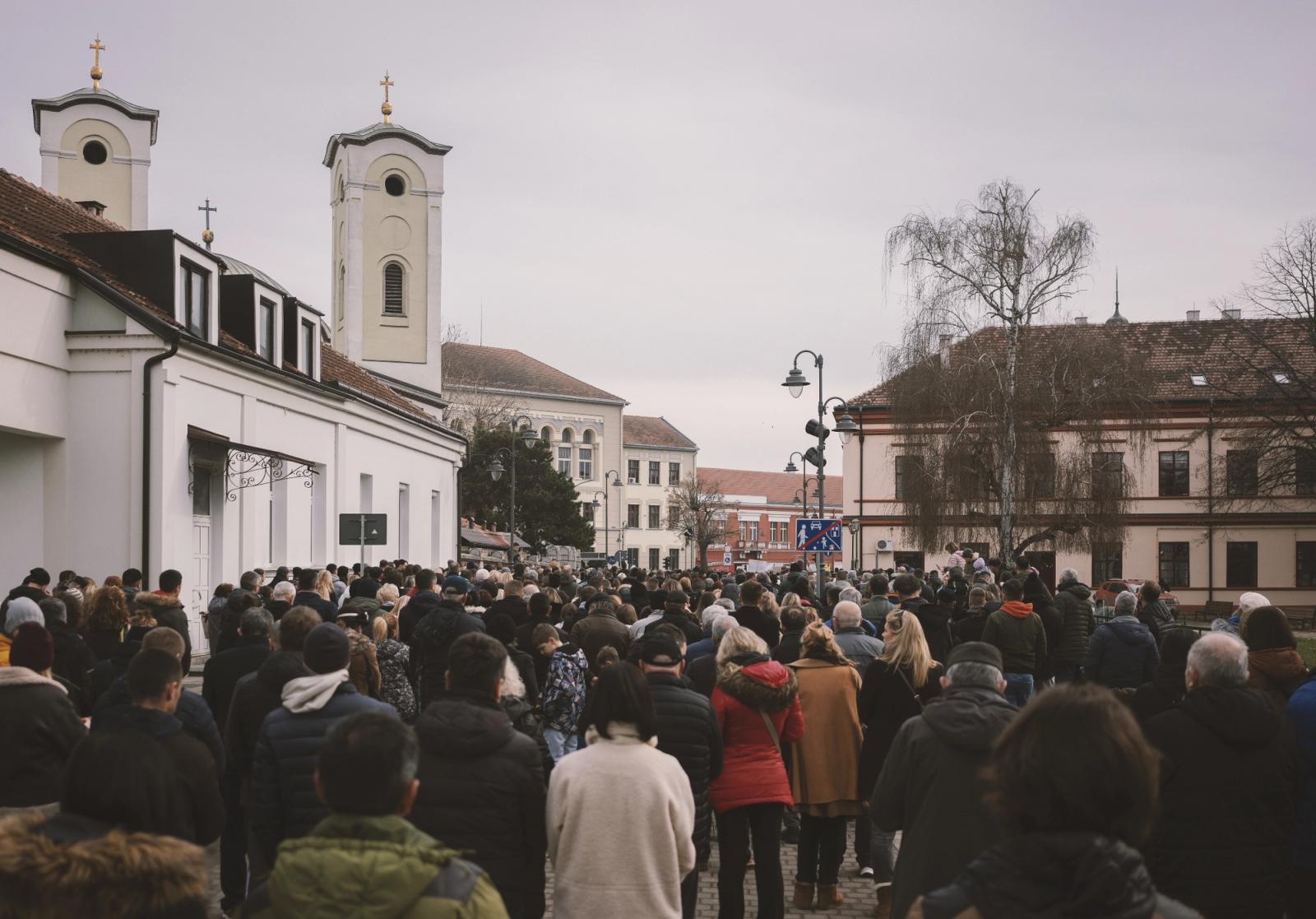
The opposition was elevated to power on the back of a student movement, brought out of anger after 16 people were killed when a concrete canopy collapsed at Novi Sad's railway station in November 2024, according to the European Consortium for Political Research. This sparked nearly two years of protests, including blockades, occupations of universities, and violent clashes with police, including at the Faculty of Dramatic Arts in Belgrade in late December 2024.
Their protests pointedly criticized the administration of Vucic, who has been a fixture atop Serbian politics since his election as prime minister in 2014 and then as president in 2017. Vucic resigned the presidency to run as the prime ministerial candidate in the election. As noted by PBS, Vucic was a fixture at the top of Serbian politics, consolidating his power through control over the media and electoral institutions, drawing the nation closer to regimes like China and Russia and directing public funds to help his supporters and allies.
To counter this consolidation, the emerging student protest movement formed political committees and plenums to plan political strategy and select candidates by majority vote, per France24. These plenums also selected the 11-point platform centered on anti-corruption, media freedom, and restoring the rule of law.
Political scientist Branislav Radeljic notes that “The student plenums helped turn mass mobilization into institutional change through collective decision-making, decentralization, and a deliberately broad agenda.” The debates and horizontal spread of power across the plenums gave a sense of ownership and legitimacy.
The selection process of Student List candidates by the plenums was not without difficulty. According to the National Assembly of Serbia, under Serbia’s closed list system, citizens’ groups as well as parties are allowed to submit slates of candidates to be elected proportionally. Adamant about not forming a political party, the party excluded former opposition figures from the list, instead selecting a list of academics and professionals, with cardiologists, artists and activists leading the list, per the Serbian Monitor. However, Srpske Novine reported that students challenged 99 of the 250 candidates for ideological misalignment, including a former dean of the Faculty of Architecture, for staying silent on a controversial Belgrade Waterfront development.
This means that the incoming Student List majority will enter parliament on November 17 without a clear leader or prime ministerial candidate. The AP reports that the new majority will need to navigate the selection of the speaker and the heads of other legislative organizations, as well as the upcoming presidential election, which must occur before the end of the year.
While it is unclear what direction the new Student List legislators will take Serbian politics, their focus on repudiating the Vucic administration signals a shift away from corruption, competitive authoritarianism, and Russian influence toward greater cooperation with the European Union and democracy.