Papua New Guinea’s (PNG) Parliament failed to come to a consensus during the week of October 18 on whether the Autonomous Region of Bougainville can become its own independent country. The islands boast a population of about 370,000 people and voted 97.7 percent in favor of independence in a 2019 referendum, per Reuters.
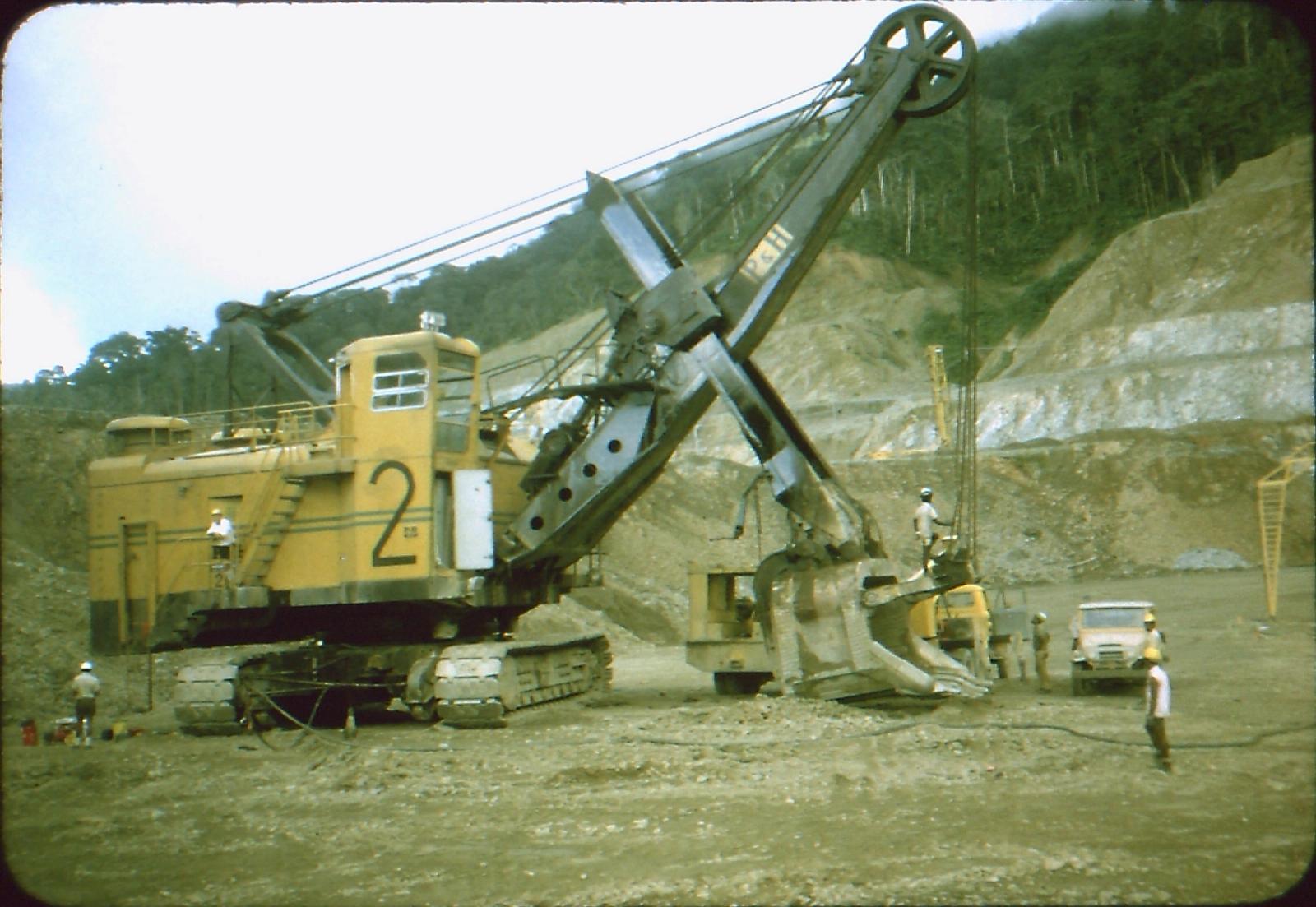
Such discussions reignite the longstanding debate over Bougainville’s official status. According to Australia’s ABC News, disputes over the region began in the 1960s after an Australian mining company constructed the Panguna Mine on its largest island. The massive gold and copper mine extracted significant amounts of wealth and resources directly out of the hands of locals, creating tensions between Bougainvilleans and the then-Australian PNG government. In 1988, tensions erupted into a decade-long conflict that killed 15,000 people and led to the mine’s shutdown. It was only in 2005 that Bougainville was finally inaugurated as an Autonomous Region of PNG, per the website of the Autonomous Bougainville Government.
While the referendum’s results echo resounding calls for independence, they have not been officially ratified by PNG’s Parliament; according to The National, they still need approval by an absolute three-quarters majority of the legislative body (89 of 118 members). This high bar has been protested by many Bougainvilleans, including Autonomous Bougainville Government Vice President and Attorney-General Ezekiel Massat. Massat has rejected the three-quarters threshold as “unilaterally crafted,” arguing that it should be reduced to the standard two-thirds majority requirement for all constitutional amendments.
Back in PNG’s Parliament, MPs have hotly debated whether or not ratifying the referendum is even constitutional to begin with. According to The National, MPs such as Belden Namah have stated that approving the referendum would be legislative overreach by Parliament. Decisions on PNG’s sovereignty, Namah argued, “remain absolute subject to the international legal obligations accepted in accordance with the Constitution.” By contrast, MP George Tsiamalili Jr. has stated that such readings fail to take a holistic view of PNG’s constitution. “We cannot defend one part of our constitution while disregarding another,” Tsiamalili said.
In consultation with PNG’s government, the Autonomous Bougainville Government plans to declare independence on September 1, 2030. The more difficult question is whether Bougainville can afford its own statehood. The island raises only five to six percent of its revenue locally, relying mainly on transfers from PNG, which still pays many Bougainvillean public servants. According to Lowy Institute analyst Oliver Nobetau, the region is also only responsible for 11 of its 59 government functions. Independence would cost it 836 million kina ($187 million) a year, roughly 16 times what it currently raises.
According to Australia’s ABC News, the Autonomous Bougainville Government has sought to remedy this deficit by reopening the Panguna Mine. In January 2026, it controversially forced the mine’s license holder (Bougainville Copper Limited) to reopen the mine in partnership with India’s Lloyds Metals and Energy—a deal made without the company’s knowledge. Landowners in the mining site’s immediate vicinity separately noted that the government had also failed to notify them of the decision, and some have ordered Lloyds off their land as trespassers. “When the people are not in the same mindset with the president, tension might rise up,” landowner Beverley Ittamari said.
Parliament’s hesitation seems to align with opinions beyond the chamber. According to Anna Kapil and Stephen Howes of the Australian National University, a 2025 survey of students at the University of Papua New Guinea found that just 27 percent favored full Bougainvillean independence, which was an opinion that tracked across all four regions of Papua New Guinea.
But not everyone in the chamber is resisting. MP Allan Marat, who chaired the cross-party committee that canvassed PNG opinions on the referendum, told Parliament in August that Bougainville had met the original peace agreement’s terms on disarmament and governance. He urged members to “sever the umbilical cord” and let Bougainville go, according to The National. Nonetheless, the timing rests with Prime Minister James Marape, who promised a vote by August 30 and never held one, and October ended the same way. As calls for Bougainvillean independence begin anew, the gap between a referendum held and a result never accepted now tests whether the PNG government will hold up its end of the deal.